Dreaming about life in Kailua Town? You are not alone. For many buyers, Kailua stands out because it offers a coastal routine that feels relaxed, established, and deeply connected to the outdoors without reading like a dense urban core. If you are wondering what day-to-day homeownership actually feels like here, this guide will walk you through the lifestyle, housing rhythm, and small realities that shape life in Kailua. Let’s dive in.
Kailua feels residential and rooted
Kailua sits in the Koʻolau Poko windward coastal and valley area of Oʻahu. Honolulu planning describes the area as a predominantly residential community, with growth managed to help prevent sprawl.
That matters when you picture daily life. Instead of a fast-moving urban setting, Kailua tends to feel more like a beach-town suburb with established homes, repeat routines, and a strong sense of place.
The windward setting also shapes the experience of living here. NOAA notes that windward sides face the trade winds and are generally wetter, while Hawaiʻi’s climate is mild and humid, with conditions that can vary over short distances.
Daily life revolves around outdoors
One of the biggest draws of owning a home in Kailua Town is how naturally outdoor living becomes part of your week. Beach time, walks, paddling, errands, and casual meals out can all fit into a regular routine.
Kailua Beach Park is central to that lifestyle. The City and County of Honolulu says people use it for canoe paddling, picnicking, swimming, surfing, and strolling, and the beach is lifeguarded daily from 8:00 a.m. to 6:30 p.m.
The beach is also popular in a very real, everyday sense. The city cites a Sea Grant report that found more than 1,700 visitors per day, so owning nearby often means learning when to go, where to park, and how to enjoy the shoreline around busier periods.
Kalama Beach Park is another important local shoreline spot. It is currently part of a maintenance project with temporary access and parking restrictions, which is a good example of how public shoreline spaces sometimes shift as the city works to maintain them.
The town routine is easy to picture
In many communities, lifestyle descriptions can sound vague. In Kailua, the rhythm is easier to imagine because a few places anchor the week.
The Kailua Farmers’ Market at Kailua Town Center runs on Thursdays from 4:00 to 7:00 p.m. with free parking. That kind of recurring local event helps reinforce a routine where errands, food stops, and social time often stay close to town rather than requiring a long drive.
For many homeowners, that is a big part of the appeal. You can picture an early beach morning, a stop in town later in the day, and an evening back at home with the doors open and the air moving through.
Homeownership here tends to feel stable
If you want a place that feels owner-oriented rather than highly transient, Kailua offers a strong case. Census QuickFacts for Kailua CDP show 40,514 residents in 2020 and 13,641 households in the 2020 to 2024 period.
The same source reports a 72.3% owner-occupied housing rate. It also shows that 88.3% of residents lived in the same house one year ago, which supports the picture of a community with day-to-day continuity.
That stability often shapes the ownership experience in subtle ways. You may notice familiar weekly patterns, established residential streets, and a pace that feels more settled than resort-driven.
The cost of ownership is significant
Kailua’s appeal comes with a price point that buyers should understand clearly. Census QuickFacts lists the median value of owner-occupied housing units at $1,353,700.
Median monthly owner costs with a mortgage are listed at $3,948, and median household income is reported at $148,582. While every buyer’s situation is different, these figures help frame Kailua as a high-value ownership market.
For buyers considering Kailua, this means the lifestyle and location are often part of a long-term decision. Many people who buy here are not just choosing a house. They are choosing a daily pattern centered on windward living, beach access, and an established residential environment.
The home itself often supports outdoor living
In Kailua, the house is only part of the story. The way a home connects to outdoor space can shape how it lives day to day.
SAH Archipedia describes the lanai as a transition between house and garden and a defining feature of domestic design in Hawaiʻi. It is a place for open-air dining, receiving guests, and extending daily life beyond interior walls.
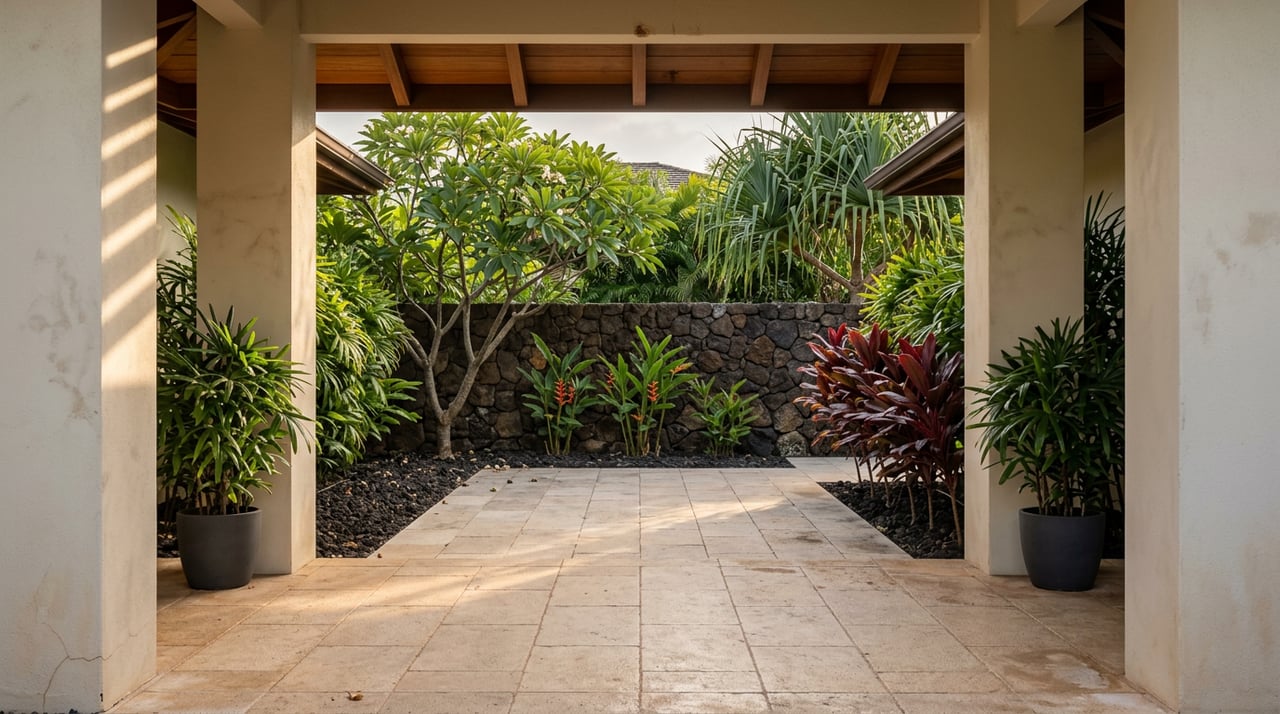
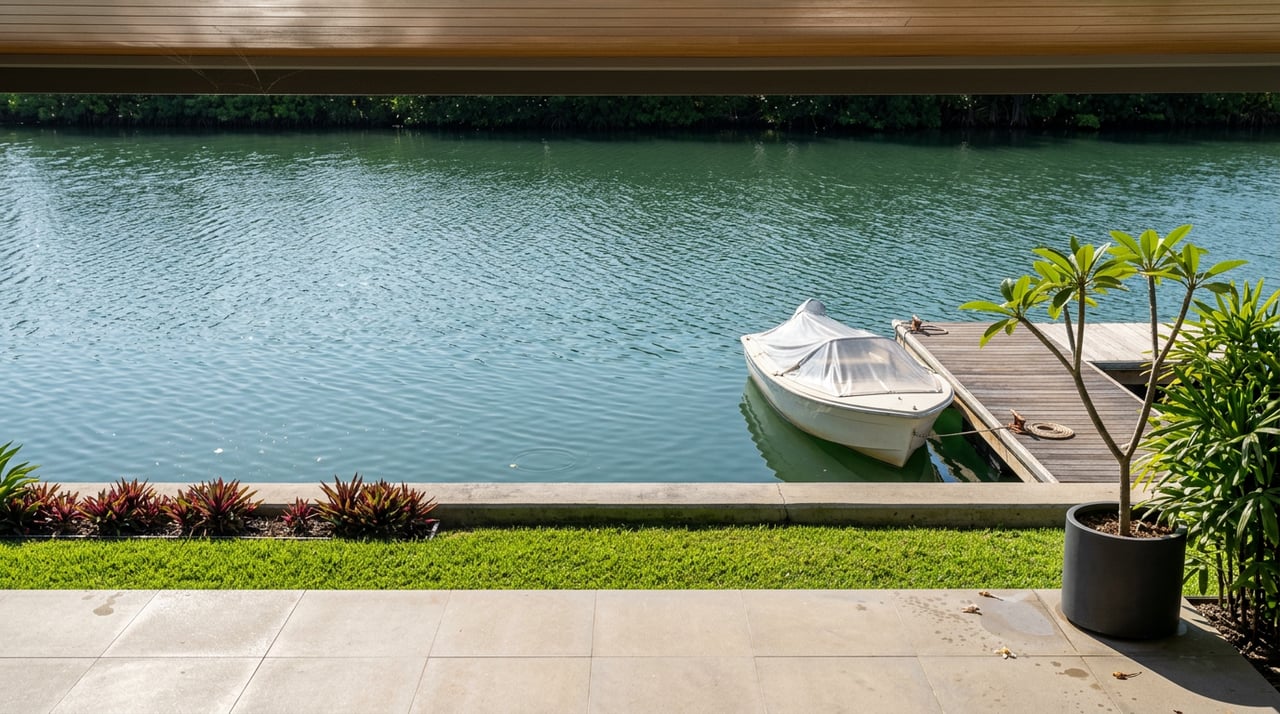
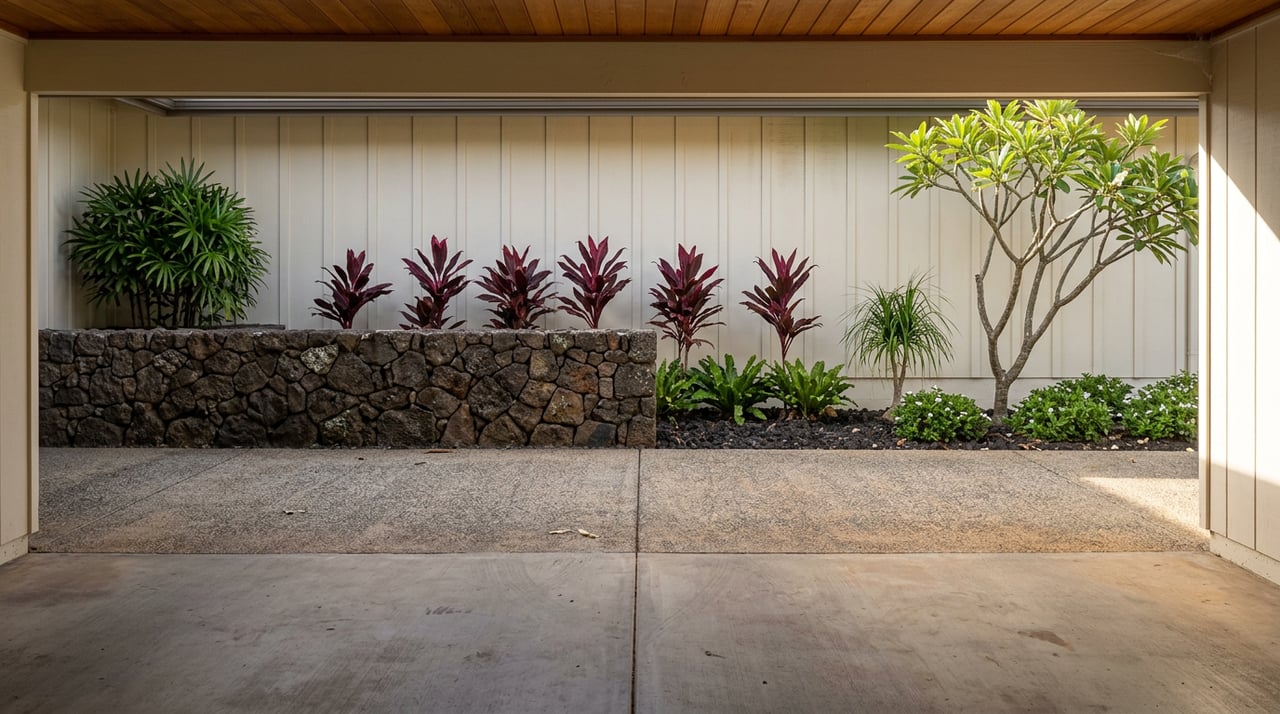
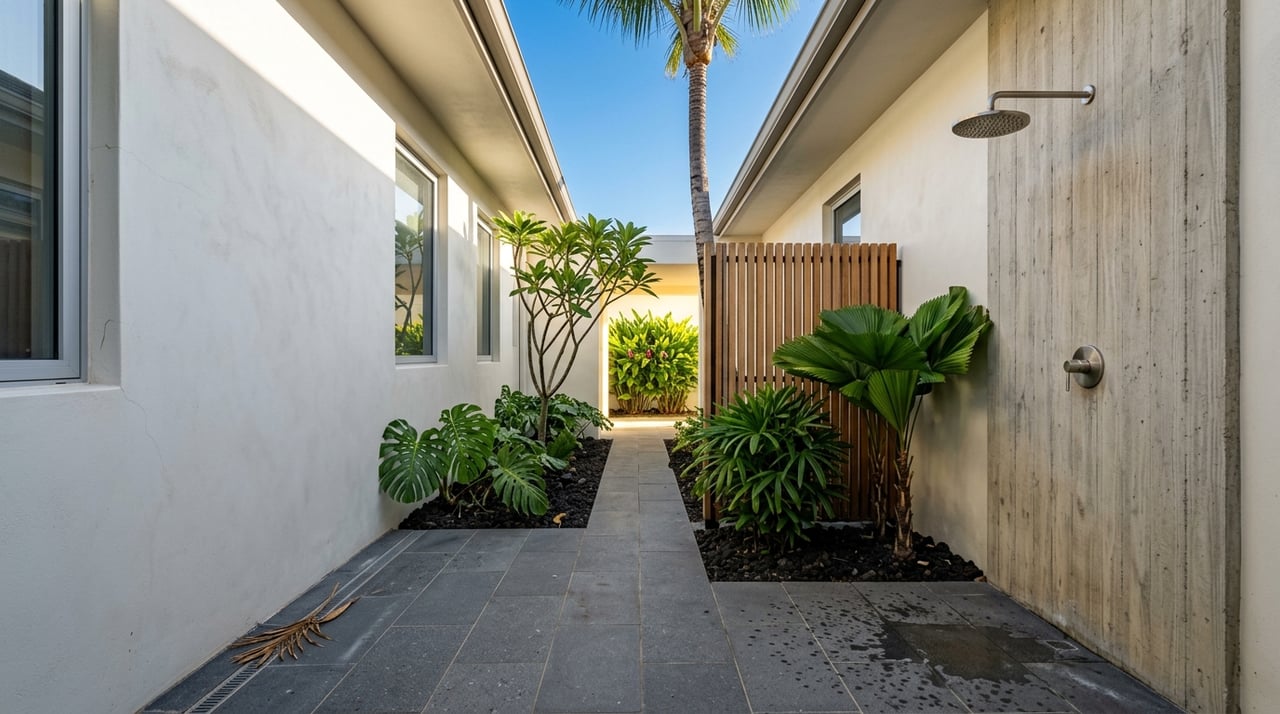
That idea fits naturally with Kailua. Homes that support indoor-outdoor flow, shaded open-air space, and practical movement between yard, house, and beach gear often match the rhythm many buyers are looking for.
Why this matters in Kailua
In a windward community with beach access and a mild, humid climate, outdoor space is not just decorative. It can become part of your regular living pattern.
That might mean eating outside more often, having a comfortable place to dry off after the beach, or simply enjoying a layout that feels more open to the surroundings. Not every property will offer this in the same way, but the broader local housing tradition makes it an important part of the ownership story.
Kailua is best understood in pockets
Kailua is easier to describe as a collection of pockets than as a place with hard neighborhood borders. Honolulu land-use references and local board materials support a practical way to think about the area without over-defining it.
For buyers, that can help narrow your search based on lifestyle. Instead of focusing only on a formal label, it is often more useful to think about how close you want to be to the beach, the town core, or inland residential areas.
Beachside pockets
Areas around Kailua Beach and Lanikai are often associated with ocean access and shoreline activity. The upside is clear: being close to the water can make beach use feel like a normal part of the day.
The tradeoff is that beach traffic, parking realities, and shoreline access management are part of life too. For some buyers, that is exactly the point. For others, a little more distance may feel easier.
Town-core pocket
Around Kailua Town Center and the Kailua Road corridor, convenience becomes a bigger part of the experience. This is where everyday stops, errands, and the farmers’ market help shape the weekly routine.
If you value being able to stay close to shops and recurring town activities, this pocket may feel especially practical. It supports a lifestyle where a lot of your regular movement stays compact and familiar.
Inland residential pocket
Inland areas such as Keolu are often described in more suburban terms. The feel can be more residential and park-oriented, with a little more separation from the shoreline crowds.
For some homeowners, that creates a nice balance. You still get Kailua’s identity and access to town, but your immediate surroundings may feel a bit quieter and more removed from beach activity.
Coastal stewardship comes with the setting
Owning in Kailua also means living in a shoreline community that needs care over time. The city says Kailua Beach Park is part of an ongoing dune restoration effort that has included sand management, fencing, vegetation work, and access changes in response to erosion.
This is best understood as part of the package, not a drawback. The same natural setting that makes Kailua so appealing also requires ongoing stewardship to preserve shoreline access and environmental health.
That perspective can shape expectations in a healthy way. Life here is beautiful and highly usable, but it also exists within a coastal system that the community actively maintains.
Natural and cultural landmarks shape the backdrop
Kailua’s identity is not only about houses and beaches. The surrounding landscape plays a visible role in everyday life.
Kawainui Marsh is about 830 acres and is the largest remaining wetland in Hawaiʻi. According to DLNR, it supports endangered waterbirds and also provides flood control, sediment filtration, and water-quality benefits for Kailua and Kailua Bay.
Nearby Ulupō Heiau is a state historic site tied to Kailua’s chiefly history and the cultural history of Kawai Nui. For homeowners, these places add context and depth to the area beyond its residential appeal.
What owning in Kailua Town really feels like
At its core, owning a home in Kailua Town often feels like choosing a repeatable coastal routine. You are not just buying square footage. You are buying into a pattern of mornings near the beach, town errands that stay local, and a home life that often spills naturally into outdoor space.
It also means understanding the practical side of that choice. Kailua is a high-value, owner-oriented market with popular public spaces, distinct local pockets, and the ongoing responsibilities that come with a shoreline setting.
If that mix sounds like the life you want, Kailua can offer a version of Oʻahu living that feels both scenic and grounded. If you are exploring your options on Oʻahu and want thoughtful guidance on high-value homes and lifestyle-driven property decisions, Fortune Hawaii Realty offers a personalized, concierge-style approach to help you move with clarity.
FAQs
What is daily life like for homeowners in Kailua Town?
- Daily life in Kailua Town often revolves around outdoor routines, beach access, town errands, and an established residential feel rather than a dense urban pace.
Is Kailua Town mostly a residential community?
- Yes. Honolulu planning describes Kailua as a predominantly residential community with growth managed to help prevent sprawl.
What types of outdoor activities are common near Kailua Town homes?
- Common activities at Kailua Beach Park include canoe paddling, picnicking, swimming, surfing, and strolling, according to the City and County of Honolulu.
How stable is homeownership in Kailua?
- Census QuickFacts show a 72.3% owner-occupied housing rate in Kailua CDP, and 88.3% of residents lived in the same house one year ago.
How should buyers think about different parts of Kailua?
- A practical way to think about Kailua is by beachside, town-core, and inland residential pockets, since those lifestyle patterns are often more useful than hard boundaries.
What should homeowners know about Kailua’s shoreline setting?
- Homeowners should understand that Kailua’s shoreline requires ongoing stewardship, including dune restoration and access management work at Kailua Beach Park.