Curious why homes in Diamond Head feel so memorable, even when they look nothing alike? That is part of the neighborhood’s appeal. If you are exploring this iconic Honolulu area, it helps to understand how architecture, setting, and design rules all work together to shape daily life and long-term value. Let’s dive in.
Why Diamond Head Looks Different
Diamond Head does not read like a master-planned neighborhood with one repeating house type. Much of its residential character grew lot by lot, especially in Diamond Head Terrace, where owners and architects created custom homes instead of uniform tract housing. That helped produce the layered, one-of-a-kind streetscape you still see today.
Local design controls also play a major role. Honolulu’s special-district framework emphasizes height limits, landscaping, compatibility with nearby small-scale development, architectural review, and subdued, nonreflective materials. The goal is to protect public views and preserve the natural appearance of the crater from places like Kapiolani Park, Waikīkī beaches, the Honolulu Zoo, Ala Wai Golf Course, Punchbowl lookouts, and public streets.
That means Diamond Head’s identity is not tied to one signature look. Instead, it comes from variety, low scale, and view-conscious design. For buyers, that often makes the neighborhood feel more authentic, more custom, and harder to replicate elsewhere in Honolulu.
Craftsman Homes in Diamond Head
One of the clearest historic threads in Diamond Head is the Craftsman and bungalow tradition. These homes tend to feel grounded and practical, with low-slung shapes that sit comfortably on their lots. They often reflect an older, more intimate scale that still fits the neighborhood well.
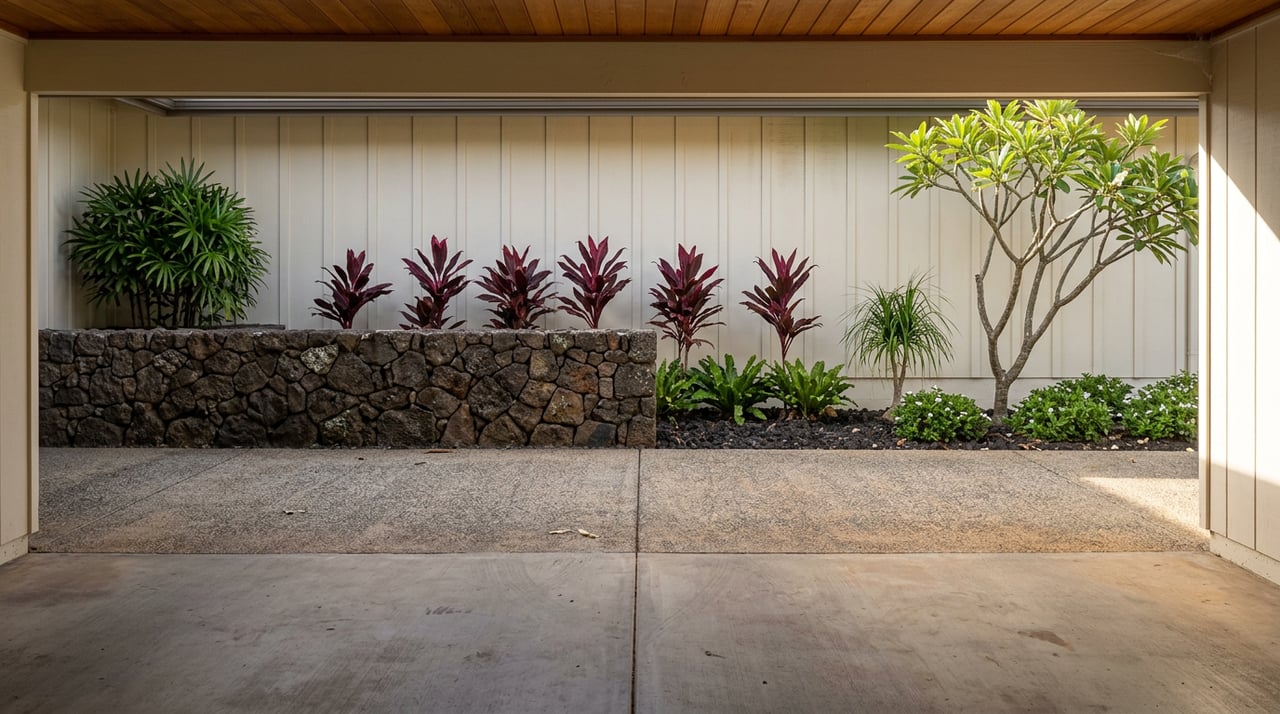
A classic local example is the Prendergast Diamond Head Terrace duplex on Hibiscus Drive. Its defining features include a low-pitched hipped roof, wide overhangs with exposed rafters, decorative corbels, board-and-batten walls, lava-rock accents, and large windows. Those details help explain why older Diamond Head bungalows still feel so appealing today.
If you are drawn to warmth and texture, this style may stand out to you. Look for details like exposed rafter tails, compact planning, and natural materials that soften the home’s presence. In Diamond Head, these houses often feel both historic and easy to live in.
Spanish and Mediterranean Revival Styles
Diamond Head also includes a strong collection of revival-style homes, especially Spanish Colonial, Mission Revival, Mediterranean Revival, and Monterey influences. These houses bring a different mood to the neighborhood. They tend to feel romantic, sun-washed, and shaped for a warm climate.
Common visual cues include stucco walls, decorative rooflines, parapet elements, carved rafter tails, and metal exterior rails. Compared with a bungalow, these homes often feel more expressive in silhouette and surface. Even on a modest scale, they can create a strong sense of arrival.
For buyers, these properties often stand out because they balance character with relaxed island living. They add visual richness without overwhelming the streetscape. In a neighborhood known for custom homes, that kind of architectural personality matters.
Tudor and Storybook Houses
Not every Diamond Head home looks tropical at first glance. The area also has Tudor, French Norman, and storybook cottage influences that add a whimsical layer to the neighborhood, especially around Kalākaua Avenue and nearby streets.
These homes are often asymmetrical and easy to spot. You may see half-timber and stucco facades, diamond-pane windows, high-pitched roofs, or rounded eaves designed to imitate thatch. Together, those features create the storybook look that gives certain blocks so much charm.
This style adds contrast to Diamond Head’s broader architectural mix. It reminds you that the neighborhood developed over time, through many design ideas rather than one fixed formula. That depth is part of what makes a drive or walk through Diamond Head feel so visually interesting.
Hawaiian Style and Tropical Modern
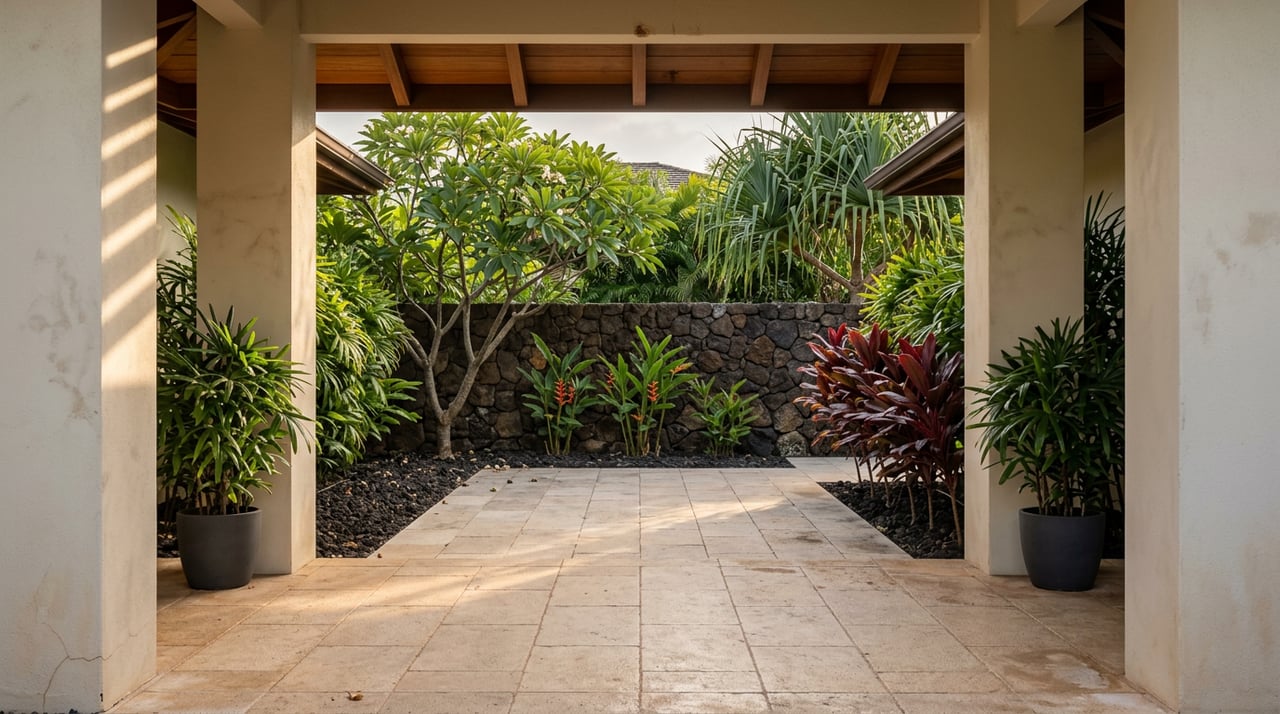
If you picture architecture that feels especially at home in Hawaii’s climate, Hawaiian style and Tropical Modern homes are key to the Diamond Head story. These houses are less about decoration and more about how the home lives with light, air, gardens, and lanais.
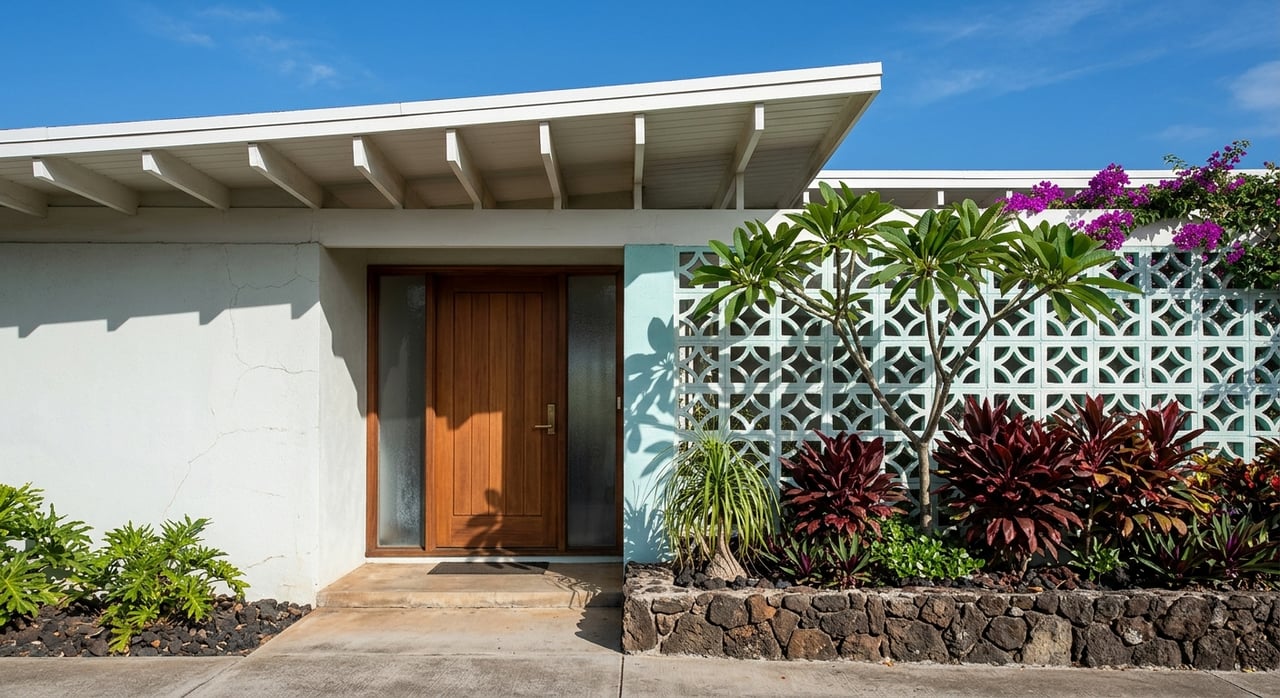
A late-1950s Diamond Head home listed in state register materials shows the language well. It features a concrete slab foundation, stained redwood tongue-and-groove walls, low-pitched standing-seam roofs, open eaves, exposed rafter tails, and a rectangular form with projecting wings. The result is clean, relaxed, and closely tied to the landscape.
This approach connects with what many people call Kamaʻāina Style or Tropical Modern. In broad terms, it blends Modern, Hawaiian, Asian, and sometimes Wrightian influences into a climate-responsive design language. For many buyers, this is the style that best captures Diamond Head’s indoor-outdoor lifestyle.
Contemporary Diamond Head Estates
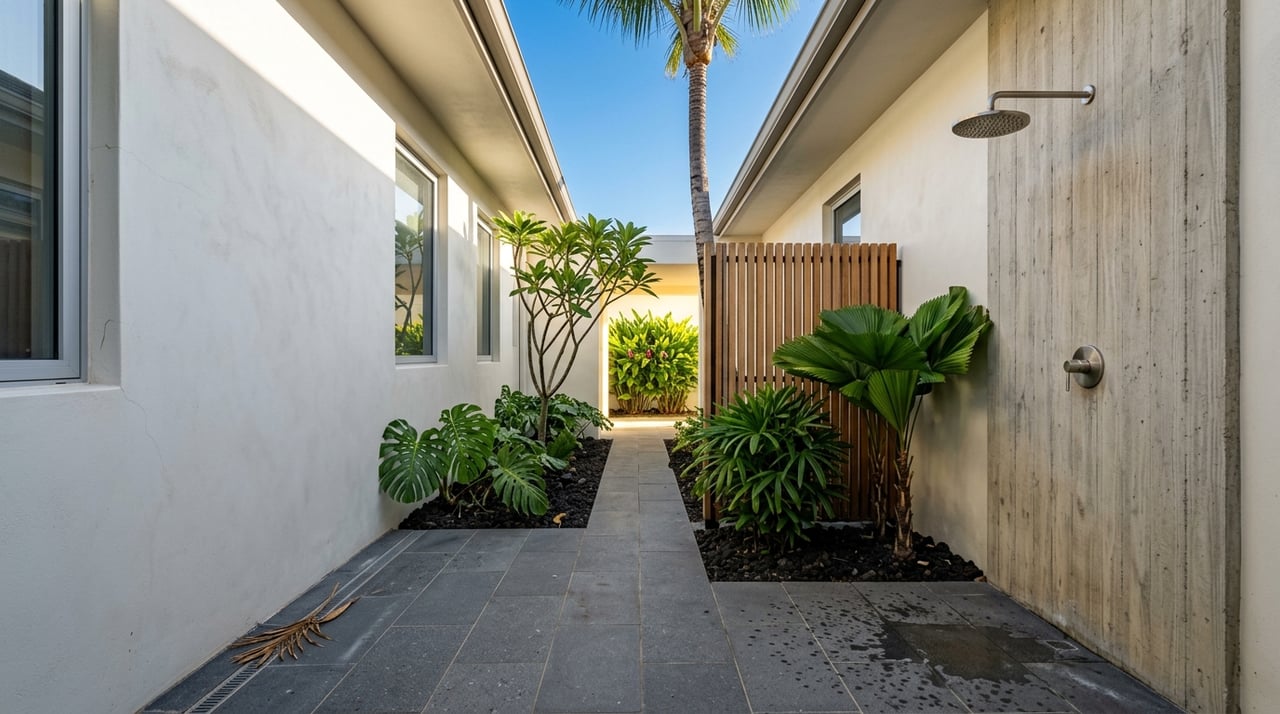
Today’s newer custom homes in Diamond Head often build on that island-modern foundation rather than reject it. The strongest contemporary properties tend to favor understated luxury, calm materials, and a close relationship between interior spaces and the outdoors.
That can show up in many ways. You might see strong lanai connections, garden-focused planning, sustainable design choices, and a restrained profile that respects surrounding homes and sightlines. In Diamond Head, newer does not always mean louder.
That is an important point if you are shopping at the high end of the market. Contemporary homes here often feel valuable because they respond to the neighborhood, not because they try to dominate it. The result is a style of luxury that feels polished, private, and place-specific.
Gold Coast Condos and Shoreline Design
The Diamond Head story is not only about single-family homes. At the shoreline end of Kalākaua Avenue, the Gold Coast adds a distinct condominium layer that grew from the same residential history.
Some shoreline lots were originally part of Diamond Head Terrace. Over time, portions of that oceanfront edge evolved from smaller beach lots into low-rise apartments, co-ops, and later taller oceanfront towers. The first high-rise on the Gold Coast was built in 1958, which helps frame the area as an architectural evolution rather than a separate world.
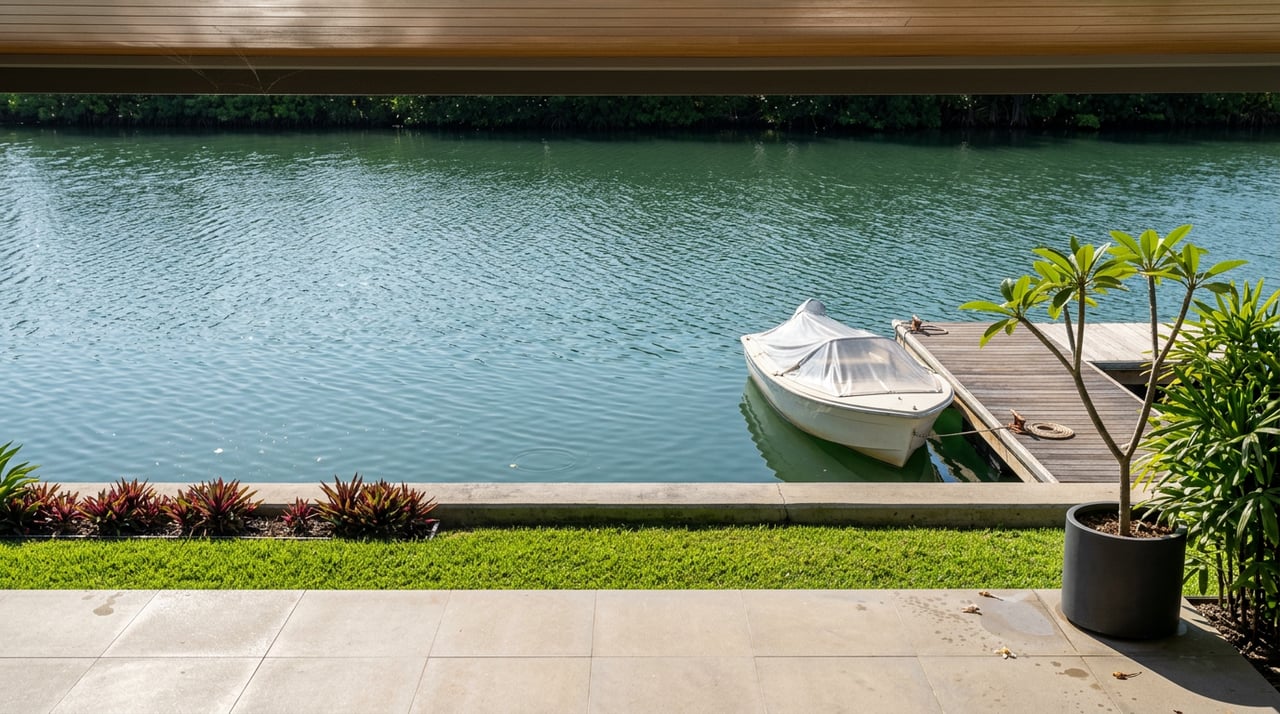
One useful example is the Tahitienne at 2999 Kalākaua, described as a nine-story Modern, Utilitarian co-op apartment. Features like masonry construction, scored concrete, a circulation shaft, a lawn and palms near the seawall, and shoreline orientation help define this boutique oceanfront character. This is a different lifestyle vocabulary from inland homes, with terms like lanai, garden setback, seawall, and shoreline views taking center stage.
What This Means for Buyers
In Diamond Head, style is not just a visual preference. It is closely tied to setting, scarcity, and how a property fits into the neighborhood. Protected views, custom-built homes, and a relatively limited supply of historic properties all contribute to the area’s appeal.
That is why architecture often plays such a large role in value here. A low-slung bungalow, a stucco revival cottage, a Tropical Modern residence, or a compact Gold Coast co-op can each attract buyers for different reasons. What they share is a sense of place that feels difficult to duplicate.
If you are comparing homes in Diamond Head, it helps to look beyond square footage alone. Pay attention to scale, siting, materials, and how the home connects to its lot, its street, and its views. In this neighborhood, those details are often part of what makes a property truly special.
Whether you are considering a custom single-family home or an oceanfront condo, understanding Diamond Head’s architectural vocabulary can help you buy with more confidence. If you want guidance tailored to this legacy neighborhood, Fortune Hawaii Realty offers boutique, broker-led support for Diamond Head buyers and sellers.
FAQs
What architectural styles are common in Diamond Head, Honolulu?
- Diamond Head includes Craftsman bungalows, Spanish Colonial and Mediterranean revival homes, Tudor and French Norman storybook houses, Hawaiian style and Tropical Modern homes, contemporary custom estates, and Gold Coast oceanfront condos.
Why does Diamond Head architecture look so varied?
- Much of Diamond Head developed lot by lot through custom design rather than uniform tract construction, which created a wide mix of home styles and a more individual streetscape.
How do Diamond Head design rules affect homes?
- Honolulu design controls in the area emphasize height limits, landscaping, compatibility with nearby small-scale development, architectural review, and subdued, nonreflective materials to help preserve views and the crater’s natural appearance.
What defines a Craftsman home in Diamond Head?
- Diamond Head Craftsman homes often feature low-pitched roofs, wide overhangs, exposed rafters, decorative corbels, board-and-batten siding, lava-rock accents, and a low-slung form.
What is Kamaʻāina Style in Diamond Head homes?
- Kamaʻāina Style, also called Tropical Modern, refers to a climate-responsive design approach that blends Modern, Hawaiian, Asian, and related influences with open eaves, natural materials, and strong indoor-outdoor connections.
How are Gold Coast condos connected to Diamond Head living?
- The Gold Coast overlaps the Diamond Head end of Kalākaua Avenue and grew from the same shoreline residential history, evolving from smaller oceanfront buildings and co-ops into a mix that later included taller towers.