Trying to choose between Kakaʻako and Waikīkī? You are not alone. Both neighborhoods put you close to the ocean, dining, and Honolulu’s urban core, but they offer very different day-to-day experiences and ownership paths. If you are weighing lifestyle, budget, or long-term goals, this guide will help you compare the two more clearly. Let’s dive in.
Kakaʻako and Waikīkī at a Glance
Kakaʻako and Waikīkī may sit near each other, but they were shaped with different priorities. Kakaʻako is planned as an urban residential district with housing, parks, open space, commerce, and a pedestrian-oriented streetscape. Waikīkī is defined more by beaches, hotels, shopping, entertainment, and visitor activity.
That difference shows up fast once you start looking at condos. In Kakaʻako, many buyers are drawn to newer towers, everyday convenience, and a more resident-focused rhythm. In Waikīkī, the appeal often centers on beach proximity, resort energy, and a broader mix of condo options by age and use.
Why Kakaʻako Appeals to Urban Condo Buyers
Kakaʻako tends to fit buyers who want a modern, walkable daily routine. The neighborhood includes parks, retail, dining, fitness-oriented businesses, and practical services that support everyday living. It also sits next to Ala Moana Beach Park, giving you strong access to the shoreline without the same hotel-centered environment as Waikīkī.
When many buyers say Kakaʻako, they are really thinking about Ward Village. That 60-acre master-planned area is about a mile from Downtown and about two miles from Waikīkī. It has helped define the neighborhood’s image as a polished residential district with new towers, open space, and convenient errand-running.
Kakaʻako also offers a more local-feeling pattern of use. Whole Foods Market, medical services, restaurants, public open spaces, and neighborhood events all support a lifestyle where you can handle daily needs close to home. For many owner-occupants, that convenience matters just as much as ocean views.
Kakaʻako condo style and inventory
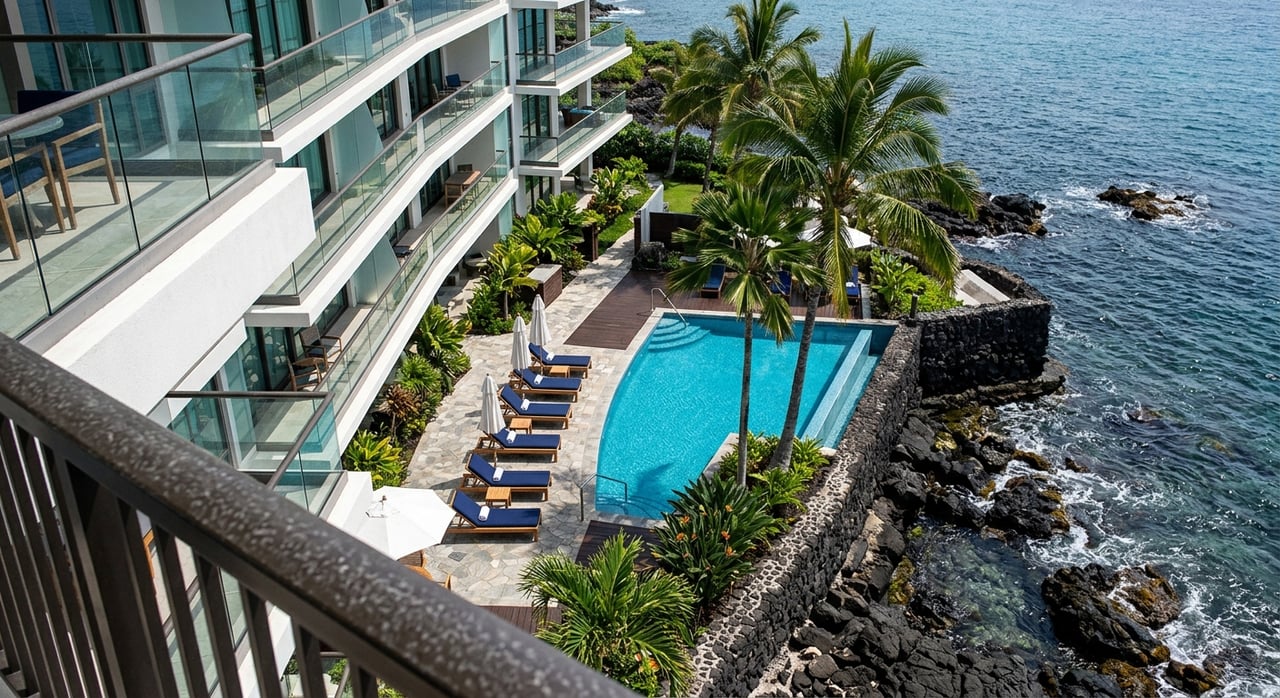
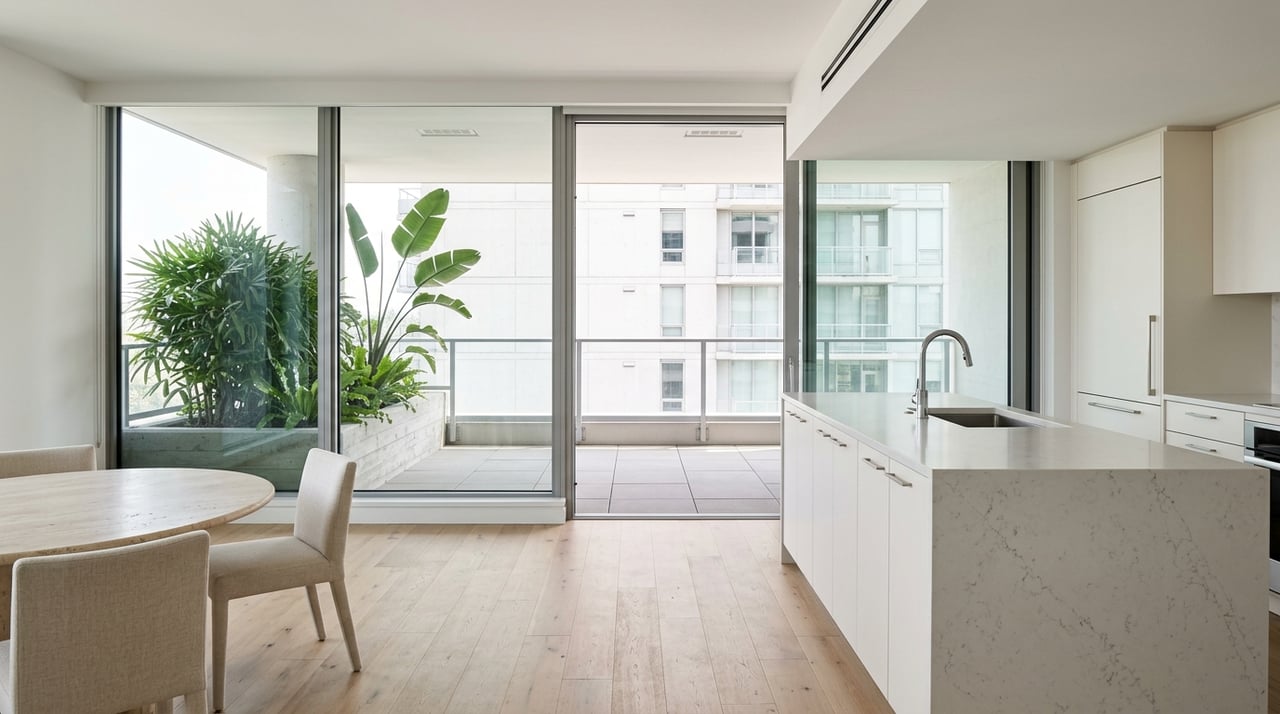
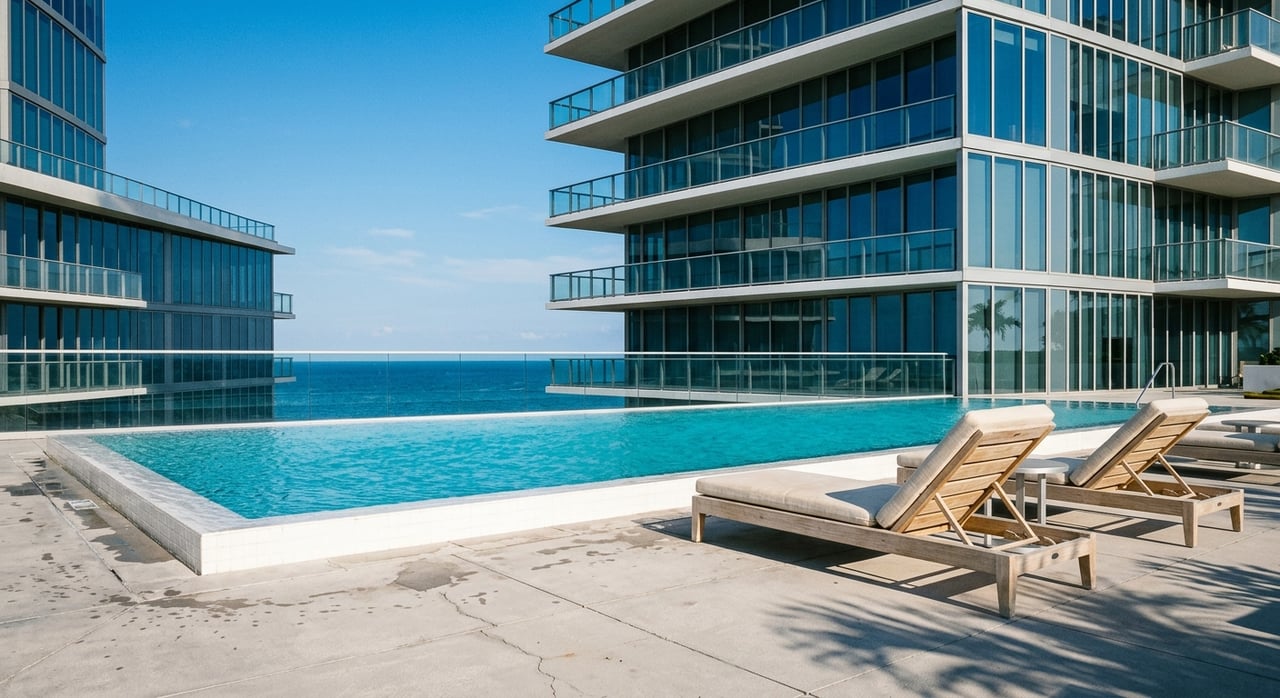
Much of Kakaʻako’s newer inventory is design-forward and amenity-rich. Ward Village projects include towers such as Waiea, Victoria Place, Kōʻula, ʻAʻaliʻi, Ke Kilohana, Aeʻo, The Park, and Ulana, with future phases still in the pipeline. These buildings often feature pools, cabanas, fitness spaces, yoga areas, co-working areas, dog-friendly features, and ground-floor retail in some projects.
That said, Kakaʻako is not only luxury product. Ke Kilohana shows that the district also includes reserved and more affordable housing. So while Kakaʻako is often associated with premium towers, the neighborhood still has a wider housing story than many buyers first assume.
Why Waikīkī Appeals to Beach-Oriented Buyers
Waikīkī speaks to a different kind of lifestyle. If you want your routine shaped by the beach, surf, hotel services, shopping, dining, and nightlife, Waikīkī delivers that atmosphere more directly. It is one of Honolulu’s most active and recognizable districts, and that energy is part of the draw.
For some buyers, that means greater excitement and convenience. You can be close to the sand, surrounded by dining options, and in the middle of a compact, active neighborhood. For others, it means more crowds and a stronger visitor presence than they want for full-time residential living.
Waikīkī condo style and inventory
Waikīkī’s condo stock is broader and more varied than Kakaʻako’s. Sold inventory spans buildings from the 1950s through the present, and that range creates more choice in architecture, layout, condition, and use profile. You will see everything from older buildings with simpler amenity packages to resort-like properties with hotel-style services.
Examples often associated with Waikīkī include Ilikai Apartment Building, Waikiki Banyan, Discovery Bay, Pacific Monarch, Waikiki Beach Tower, The Watermark, Allure Waikiki, and The Ritz-Carlton Residences. That variety can be helpful if you want more options across different price points and building types. It also means careful building-by-building review is especially important.
Lifestyle Differences That Matter Daily
If your top priority is everyday ease, Kakaʻako often has the edge. Its planning emphasizes walking, parks, retail, dining, and daily-use services. That can make it easier to settle into a routine that feels residential and practical.
If your top priority is resort-style beach living, Waikīkī usually stands out. Its identity is tied closely to beaches, hotels, shopping, nightlife, and visitor-facing amenities. That creates a more vacation-oriented atmosphere, even for full-time residents.
Here is a simple way to think about it:
- Choose Kakaʻako if you want newer condos, a polished urban feel, and easier day-to-day errands.
- Choose Waikīkī if you want immediate beach access, lively surroundings, and a classic resort-district experience.
Price Differences Between Kakaʻako and Waikīkī
Price is one of the clearest dividing lines between the two neighborhoods. As of April 2026, Ala Moana-Kakaʻako condos had a median sold price of $761,000, while Waikīkī condos had a median sold price of $445,000. Earlier 2024 market data showed a similar gap, which suggests the price spread has been relatively consistent.
That does not mean every Waikīkī condo is cheaper or every Kakaʻako condo is more expensive. Building age, location, view, condition, and size can shift values a lot. Still, at the neighborhood level, Kakaʻako generally sits in a higher price tier.
Inventory and pace of choice
The same April 2026 data also showed 498 active condo listings in Ala Moana-Kakaʻako and 687 active listings in Waikīkī. Remaining inventory measured 8.4 months in Ala Moana-Kakaʻako and 9.7 months in Waikīkī. In practical terms, Waikīkī buyers may see more choices, while Kakaʻako buyers may face a more limited set of options in specific premium towers.
That broader inventory in Waikīkī can be a plus if you want flexibility. Kakaʻako’s smaller pool can be a plus if you are focused on a very specific standard of newer product and amenities.
Which Neighborhood Fits Your Goals?
The right answer depends on how you plan to use the condo. A neighborhood that feels perfect for one buyer may be the wrong fit for another.
Best fit for primary residence buyers
Kakaʻako is often the stronger fit if you want a primary home with a modern, resident-oriented feel. The neighborhood’s planning, newer towers, and daily conveniences support long-term living well. If you picture yourself walking to groceries, fitness, dining, or the park as part of your normal week, Kakaʻako may feel more natural.
Waikīkī can still work as a primary residence, especially if you enjoy activity and want to be near the beach every day. But its visitor-heavy character is a bigger part of daily life. Some buyers love that energy, while others prefer a neighborhood that feels more rooted in local residential use.
Best fit for second-home buyers
If your second-home vision looks like stepping into a beach-centered Honolulu experience, Waikīkī may be the better emotional fit. The neighborhood gives you quick access to the shoreline and a strong resort atmosphere. That can be appealing if your goal is a lock-and-leave condo in the heart of the action.
Kakaʻako may appeal more if your second home is also meant to function like a comfortable city base. Its newer buildings and resident-focused setup can feel calmer and more streamlined for longer stays.
Best fit for investors
For investors, legal use matters more than neighborhood image. Honolulu’s short-term rental rules allow short-term rentals only in certain areas, including Resort zoning districts, the Resort Mixed Use Precinct of the Waikīkī Special District, certain parts of the Waikīkī Apartment Precinct mauka of Kūhiō Avenue, certain A-1 and A-2 areas near Ko Olina and Turtle Bay, and existing legally permitted nonconforming uses. Unpermitted short-term rentals in residential zoning districts are prohibited.
That makes Waikīkī the more likely place to find legally structured visitor-rental opportunities, but only if the specific building or precinct qualifies. Kakaʻako is usually a better fit for long-term ownership, a primary residence, or a conventional rental strategy. Before making any income assumptions, you should verify the exact zoning and building rules for the property you are considering.
Questions to Ask Before You Decide
Before you choose between Kakaʻako and Waikīkī, it helps to get specific about your goals. Broad neighborhood comparisons are useful, but the right condo still comes down to the property, the building, and how you want to live.
Ask yourself:
- Do you want a home that feels more residential or more resort-oriented?
- Is newer construction a priority?
- How important is walking to groceries, medical services, and daily errands?
- Do you want immediate beach access as part of your everyday routine?
- Are you buying mainly for personal use, long-term hold, or regulated rental use?
- What price range feels comfortable based on current neighborhood medians?
The clearer your answers are, the easier it becomes to narrow the search. In Honolulu’s condo market, fit matters just as much as price.
Final Takeaway
Kakaʻako and Waikīkī both offer strong reasons to buy, but they serve different lifestyles. Kakaʻako tends to make more sense if you want newer towers, a resident-focused setting, and strong everyday convenience. Waikīkī tends to make more sense if you want beach access, lively surroundings, and a wider range of condo types with more potential visitor-rental pathways in legally eligible properties.
If you want help comparing specific buildings, ownership goals, or rental strategy considerations in Honolulu’s condo market, Fortune Hawaii Realty offers boutique guidance backed by deep experience in Kakaʻako, Ward Village, Ala Moana, and Waikīkī.
FAQs
What is the main lifestyle difference between Kakaʻako and Waikīkī condos?
- Kakaʻako is generally more residential and oriented around daily living, while Waikīkī is more beach-centered and visitor-oriented with stronger resort energy.
Which neighborhood usually has lower condo prices, Kakaʻako or Waikīkī?
- Recent neighborhood data show Waikīkī with a lower median sold condo price than Ala Moana-Kakaʻako, though individual buildings and unit types can vary widely.
Are Kakaʻako condos usually newer than Waikīkī condos?
- In general, yes. Kakaʻako is known for many newer high-rise projects, while Waikīkī has a broader mix of older and newer condo buildings.
Is Waikīkī better for short-term rental condos than Kakaʻako?
- Waikīkī may offer more legally eligible short-term rental opportunities, but only certain buildings and precincts qualify under Honolulu rules, so property-specific verification is essential.
Is Kakaʻako a better fit for full-time condo living in Honolulu?
- For many buyers, yes, especially if you want walkable errands, newer amenities, and a neighborhood planned around long-term residential use.
How do I choose between a Kakaʻako condo and a Waikīkī condo?
- Start with your main goal: primary residence, second home, or investment. Then compare each neighborhood’s lifestyle, building type, price range, and legal use rules for the specific condo you are considering.