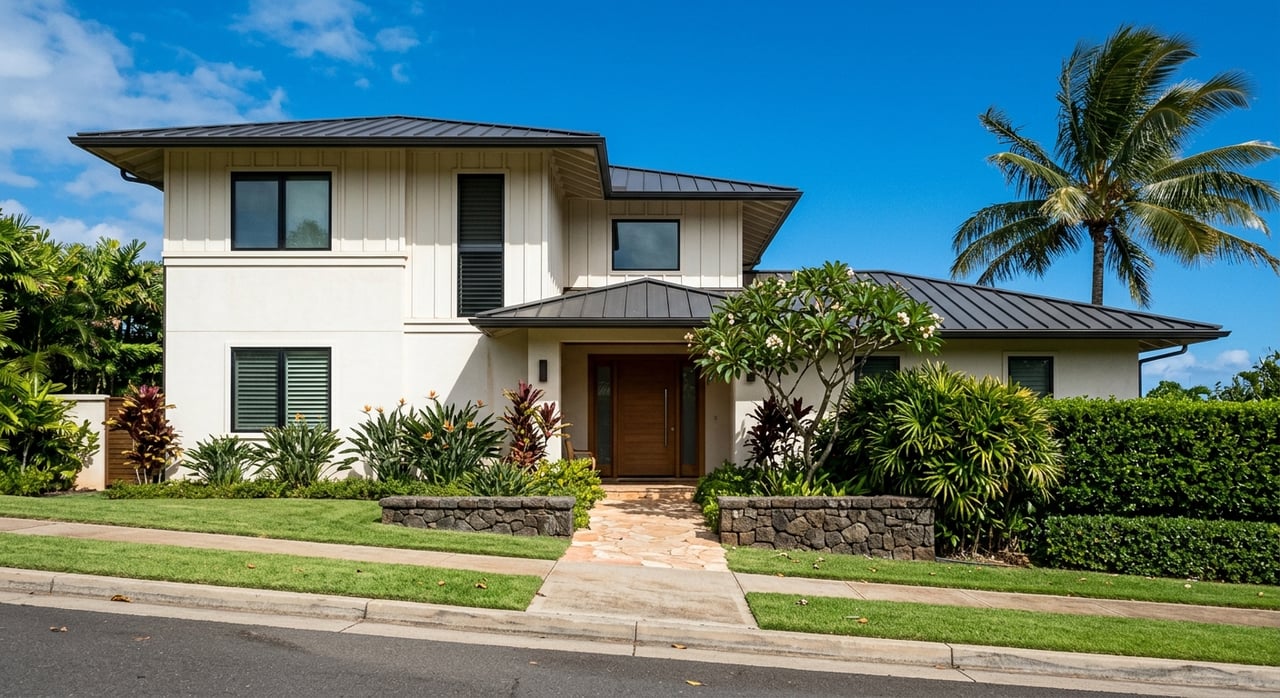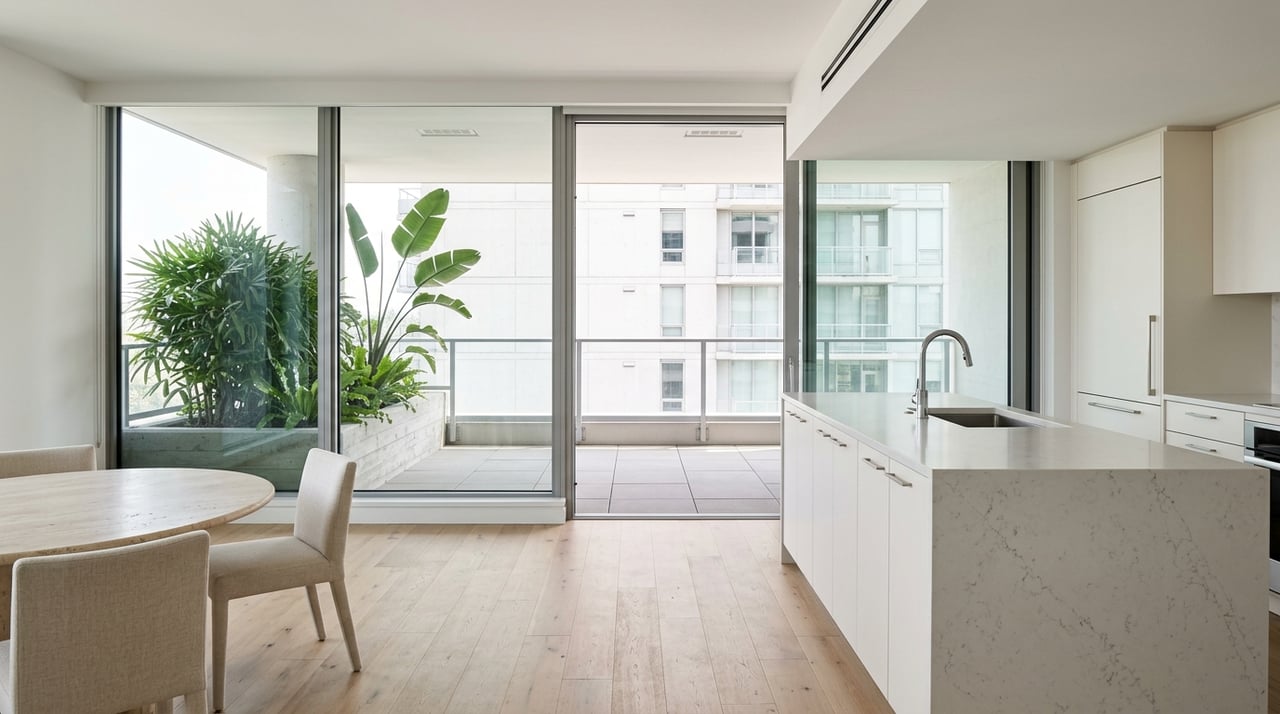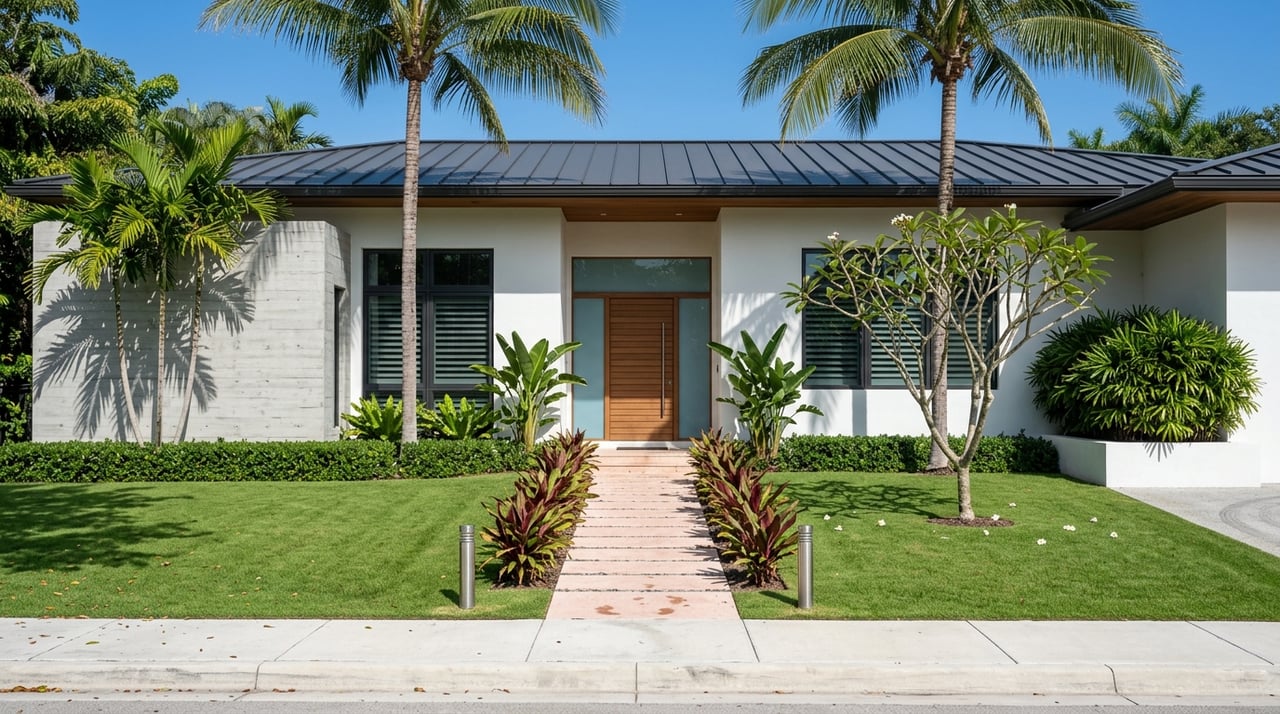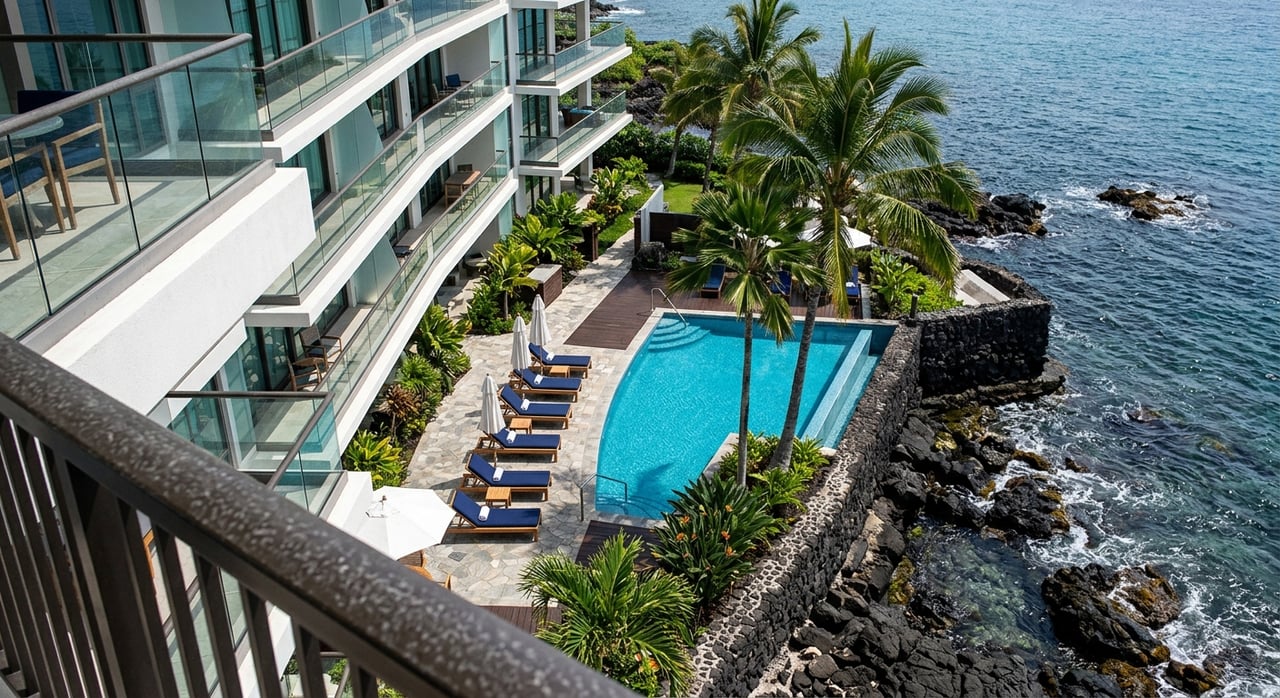
Trying to decide between a Diamond Head home and a Gold Coast condo? It sounds simple at first, but these two property types offer very different ways to live in the same coastal Honolulu area. If you are weighing privacy, views, upkeep, and long-term costs, understanding those trade-offs can help you buy with more confidence. Let’s dive in.
Diamond Head and Gold Coast feel different
Diamond Head and the Gold Coast sit close together, but they were shaped in different ways. The City and County of Honolulu describes the neighborhoods around Diamond Head as lower-density residential areas that include many of Honolulu’s established single-family streets.
That lower-density pattern is part of the area’s identity. Around Diamond Head, planning rules are meant to help preserve the monument’s natural appearance and public views, which supports a more open, landscaped, residential feel.
The Gold Coast has a different rhythm. This oceanfront condo corridor on the Diamond Head side of Waikīkī developed as a more vertical, mid-rise apartment area beginning in the early 1970s, which helps explain why it feels denser and more building-oriented than nearby house neighborhoods.
Diamond Head homes offer more control
If you picture having your own yard, more separation from neighbors, and greater day-to-day control over your property, a Diamond Head home may feel like the better fit. In practical terms, houses usually appeal to buyers who want land, outdoor space, and the ability to shape how the property functions over time.
That said, more control does not mean unlimited freedom. In the Diamond Head special district, some properties, especially those in the core area, may be subject to design and landscaping rules intended to protect views and the park-like character around the crater.
For many buyers, that is a fair trade. You get more autonomy than you would in a condo building, but you still need to understand whether future exterior changes could trigger review.
What that can mean for daily life
A house often gives you more flexibility for entertaining, gardening, pets, storage, and outdoor living. You also have more say over maintenance timing, repair decisions, and how the property evolves.
The flip side is responsibility. You are the one budgeting for paint, roofing, landscaping, systems, and surprise repairs, along with property taxes, insurance, and any applicable HOA dues.
Gold Coast condos offer shoreline convenience
If your priority is being close to the water with less direct exterior upkeep, a Gold Coast condo may be the stronger match. Many buyers are drawn to the immediate shoreline setting and a lock-and-leave style that can feel easier to manage than a detached home.
That convenience comes with shared ownership structure. In a condo, common elements are governed by the association, which means you have less direct control over the building exterior and shared spaces than you would with a house.
For some buyers, that trade-off is exactly the point. Instead of managing every exterior issue yourself, you rely more on the building and association, while focusing on your own unit and lifestyle.
What condo living asks from you
Gold Coast condo ownership usually means monthly maintenance fees, reserve funding, and the possibility of special assessments. According to Hawaiʻi DCCA guidance, reserves are meant to cover major future expenses, and inadequate reserves can lead to borrowing, deferred maintenance, or special assessments.
That is especially important in older buildings. DCCA notes that many Hawaiʻi condo buildings were built in the 1970s and 1980s, so capital planning and building financial health deserve close attention.
Compare the biggest trade-offs
If you are choosing between the two, it helps to focus on the issues that affect daily satisfaction the most.
| Factor | Diamond Head Home | Gold Coast Condo |
|---|---|---|
| Privacy and space | More separation and outdoor control | More shared walls and common spaces |
| Maintenance | Owner handles most repairs and upkeep | Association handles more exterior burden |
| Monthly costs | Less likely to have condo fees, but more direct maintenance costs | Regular maintenance fees and possible special assessments |
| Views | May offer strong outlooks, but depends on lot and regulations | Often stronger immediate ocean adjacency, depending on building and unit |
| Flexibility | More ability to shape the property, subject to local rules | More limited by building rules and governing documents |
| Lifestyle pace | Quieter, lower-density residential feel | More shoreline-oriented and vertical living |
Views matter, but so does view durability
A lot of buyers start with views, and that makes sense in this part of Honolulu. But the better question is not only whether a property has a great view today. It is whether that view is likely to remain satisfying over time.
For Diamond Head homes, the special district exists in part to protect views of the monument. Height limits, landscaping standards, and architectural review in certain areas can help preserve the character of the setting, though they can also affect what you are allowed to change.
For Gold Coast condos, the view story depends on the building, stack, and association. A unit may have remarkable ocean or Diamond Head sightlines, but your experience still depends on the building’s maintenance, rules, and the surrounding development context.
Beach access is not private control
Oceanfront living can feel very exclusive, but it is important to understand what that does and does not mean in Hawaiʻi. State guidance treats shoreline public access as an important common-law right, and beach transit corridors seaward of the shoreline are public property.
For buyers, the takeaway is simple. Living near the ocean can give you exceptional proximity and convenience, but it does not mean private control of the shoreline.
That distinction tends to matter more on the Gold Coast side of the decision. If easy access to the water is your top lifestyle priority, a condo may win, but it is smart to pair that benefit with a realistic view of shared coastal use.
Climate risk should shape your choice
In this corridor, coastal risk is not a side issue. Hawaiʻi’s climate data says sea level has already risen 5 inches since 1970 and could rise about 8 inches by 2050 under an intermediate scenario, with growing flooding and erosion impacts over time.
The same state guidance identifies Waikīkī as particularly threatened and notes that oceanfront properties face increasing shoreline erosion and coastal flooding risk. The Waikīkī and Diamond Head coastal zone is also part of the state’s sea-level-rise adaptation planning.
That does not automatically rule out a Gold Coast condo or a nearby home. It does mean you should treat resilience, building condition, and insurance structure as core parts of your decision.
Insurance questions to ask
Hawaiʻi DCCA notes that homeowners insurance remains important for both homes and condos, and standard policies usually do not cover flood, hurricane, or earthquake losses. Condominium associations may also need flood insurance in special flood hazard areas.
If you are considering a house, review storm, drainage, and flood exposure carefully. If you are considering a Gold Coast condo, confirm what the master policy covers and whether you may need supplemental coverage for your unit.
Costs go beyond the price tag
Purchase price is only one part of affordability in Diamond Head and the Gold Coast. Your ongoing carrying costs can look very different depending on whether you buy a house or a condo.
For a home, you need to budget for direct maintenance and repair decisions as they come up. For a condo, more of that burden shifts to the association, but you take on monthly maintenance fees and the possibility of special assessments.
Property taxes also deserve a close look. Honolulu taxes real property by classification and value tiers, so you should verify the actual assessment rather than assume a house and condo will be taxed the same way.
For tax year July 1, 2025 through June 30, 2026, the City and County of Honolulu lists the residential rate at $3.50 per $1,000 of net taxable value. Residential A tiers are $4.00 on the first $1,000,000 and $11.40 above that.
Due diligence for a Diamond Head home
If you are leaning toward a house, focus first on the parcel and its rules, not just the floor plan. In the Diamond Head area, that means confirming whether the lot sits within the special district core area.
You should also review whether planned additions, walls, façade updates, or tree removal could trigger review. That step can save you from buying a property that does not support your long-term plans.
A practical home checklist includes:
- Confirm whether the property is in the Diamond Head special district core area
- Ask how exterior changes are regulated
- Review flood, drainage, and storm exposure
- Budget for ongoing maintenance and repair reserves
- Verify insurance needs beyond a standard homeowners policy
Due diligence for a Gold Coast condo
If you are leaning toward a condo, focus heavily on the building and association. In many cases, the health of the project matters as much as the unit itself.
Start with the budget, reserve funding, and special-assessment history. Then ask for the governing documents, insurance summary, and recent meeting minutes so you can see how the board handles repairs, finances, and owner obligations.
A practical condo checklist includes:
- Review the association budget and reserve funding
- Check for recent or pending special assessments
- Read the governing documents carefully
- Ask for recent meeting minutes
- Confirm what the master insurance policy covers
- Check whether the building is in a special flood hazard area
- Understand whether supplemental owner coverage may be needed
Which one is right for you?
If you want privacy, land, and more ability to personalize your property over time, a Diamond Head home usually makes more sense. It is often the stronger fit for buyers who are comfortable managing maintenance directly and want a lower-density residential setting.
If you want immediate shoreline proximity and less hands-on exterior upkeep, a Gold Coast condo may fit better. It tends to work well for buyers who are comfortable with association governance, recurring dues, and a more vertical style of living.
A simple way to decide is this: choose the house if autonomy matters most, and choose the condo if convenience near the water matters most. In either case, long-term satisfaction usually comes down to three things: the property’s regulations, the true ongoing cost, and your comfort with coastal risk.
If you want help comparing Diamond Head homes and Gold Coast condos with a clear, local perspective, connect with Fortune Hawaii Realty. You will get thoughtful guidance tailored to your goals, whether you are buying for lifestyle, a second home, or long-term investment.
FAQs
What is the main difference between a Diamond Head home and a Gold Coast condo?
- A Diamond Head home usually offers more privacy, land, and control over the property, while a Gold Coast condo usually offers closer shoreline access and less direct exterior maintenance.
What should you check before buying a Diamond Head home?
- You should confirm whether the property is in the Diamond Head special district core area and review any rules that may affect exterior changes, landscaping, walls, or tree removal.
What should you review before buying a Gold Coast condo?
- You should review the association budget, reserve funding, special-assessment history, governing documents, insurance summary, and recent meeting minutes.
Are Gold Coast condos more exposed to coastal risk?
- Oceanfront properties in the Waikīkī and Diamond Head coastal zone face growing erosion and coastal flooding risk, so buyers should evaluate resilience and insurance details carefully.
Do Diamond Head homes and Gold Coast condos have the same property tax rate?
- Not always. Honolulu real property taxes are based on classification and value tiers, so you should verify the actual assessment for the specific property you are considering.