If you want more room, greener views, and a pace that feels more residential than urban, Kāneʻohe deserves a closer look. Many buyers love Oʻahu but do not want the density and rhythm of core Honolulu every day. In Kāneʻohe, you can get a different balance of space, scenery, and daily convenience, with bay access, mountain backdrops, and local shopping all part of the picture. Let’s dive in.
Why Kāneʻohe stands out
Kāneʻohe sits on Windward Oʻahu, framed by Kāneʻohe Bay and the Koʻolau mountains. NOAA describes the Koʻolau cliffs as the dominant topographic feature of the area, and it identifies Kāneʻohe Bay as the largest sheltered body of water in the Hawaiian Islands, protected by an outer barrier reef. That setting gives the community a look and feel that is hard to confuse with anywhere else on Oʻahu.
The weather is also part of the identity. Trade winds push moist air up the mountains, which helps create the cloudier, wetter conditions many people associate with the windward side. If you love lush scenery and dramatic ridgelines, that tradeoff may feel well worth it.
Kāneʻohe offers a residential feel
For many buyers, the biggest appeal is that Kāneʻohe feels established and residential. The 2020 Census counted 37,430 residents, and the 2020-2024 American Community Survey shows 11,545 households in the area. Those numbers support a community that is active and well-rooted, but not defined by dense urban living.
The housing profile reinforces that point. The owner-occupied rate is 76.4%, which is much higher than Urban Honolulu’s 48.9%. That stronger owner-occupant base often appeals to people who want a long-term home environment rather than a renter-heavy setting.
What “value” means in Kāneʻohe
Value in Kāneʻohe is not just about price. It is about what you get for your lifestyle, including scenery, access to the outdoors, a broad mix of housing choices, and a more settled residential pattern. For buyers comparing neighborhoods across Oʻahu, that combination can make Kāneʻohe feel like a smart fit.
The median owner-occupied home value in Kāneʻohe is $1,029,700, and the median gross rent is $2,269 according to the 2020-2024 ACS. Those figures show that this is still a significant housing market, but one that many buyers evaluate through a lifestyle lens rather than a purely urban one. Compared with more core Honolulu areas, the draw often comes from the setting and the sense of space.
Housing types in Kāneʻohe
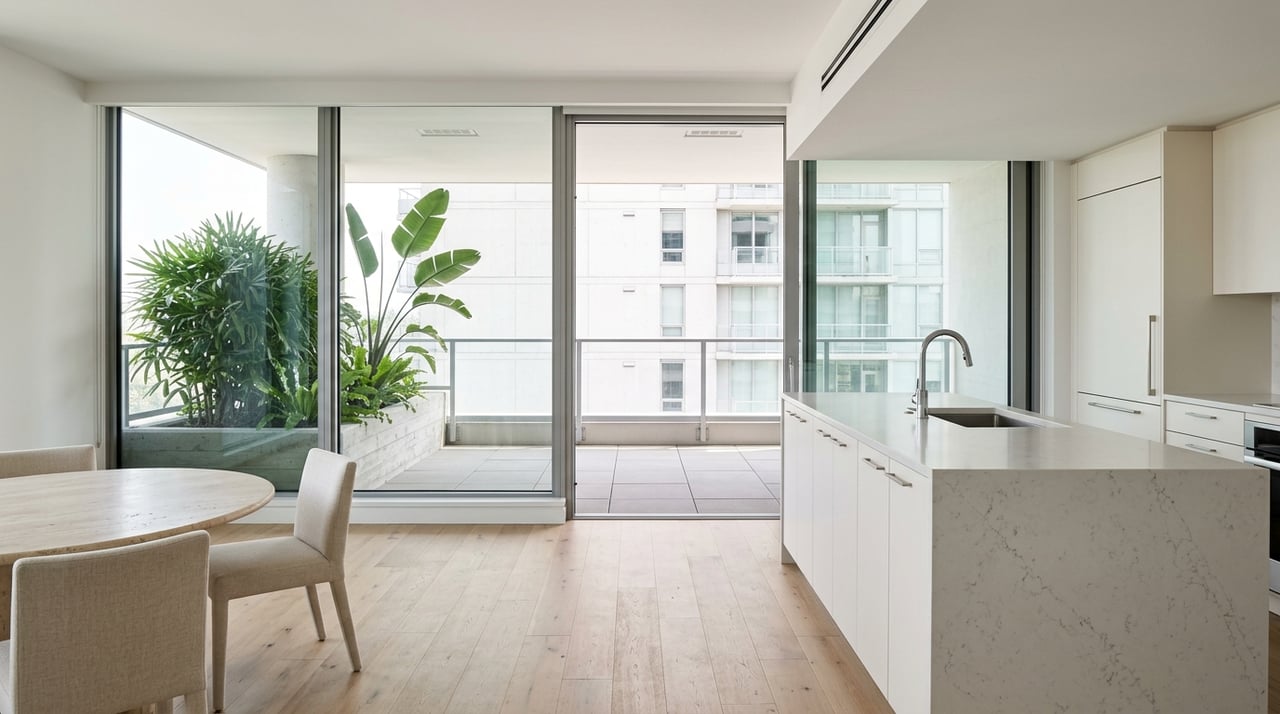
Kāneʻohe is not a one-note housing market. Older ACS housing structure profiles show a mix of detached homes, attached homes, and multi-unit buildings. That means your search may include single-family properties, townhome-style options, condos, and hillside homes with view-oriented positions.
This variety matters because it gives you more ways to match home type with budget and priorities. Some buyers focus on interior space and yard potential. Others want easier maintenance, a lock-and-leave setup, or a property that captures mountain or bay views.
Detached homes and larger lots
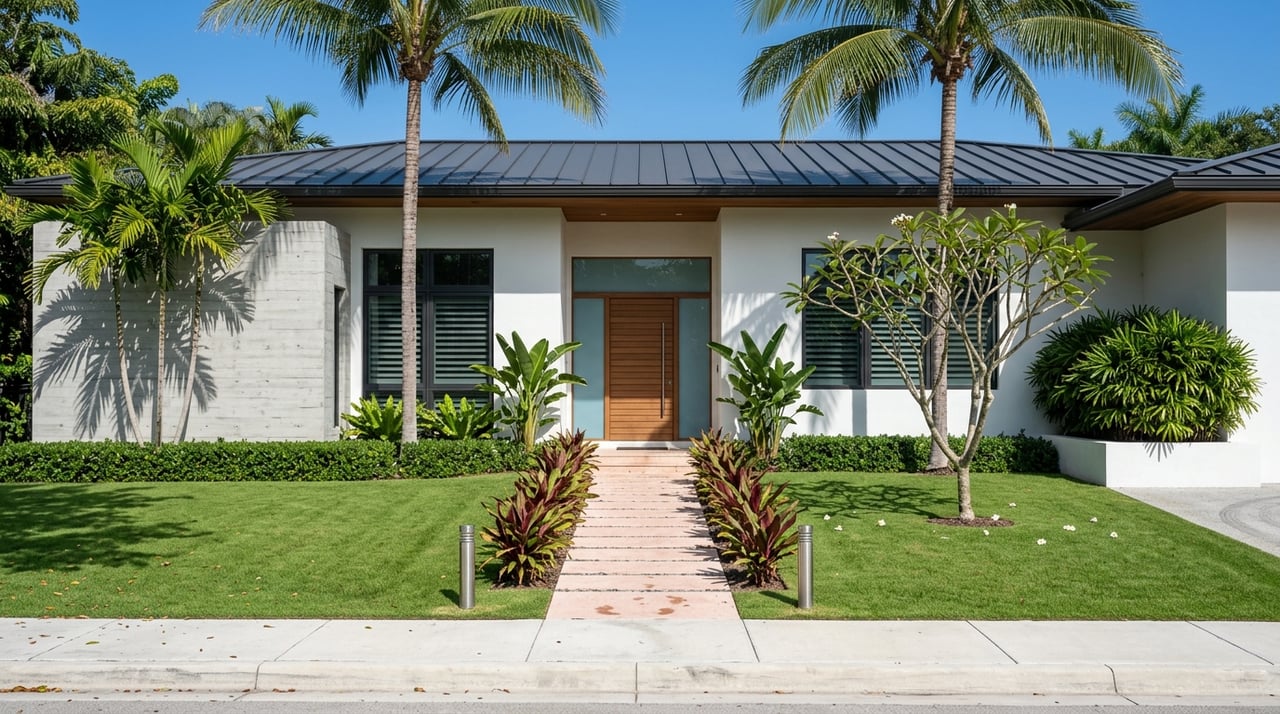
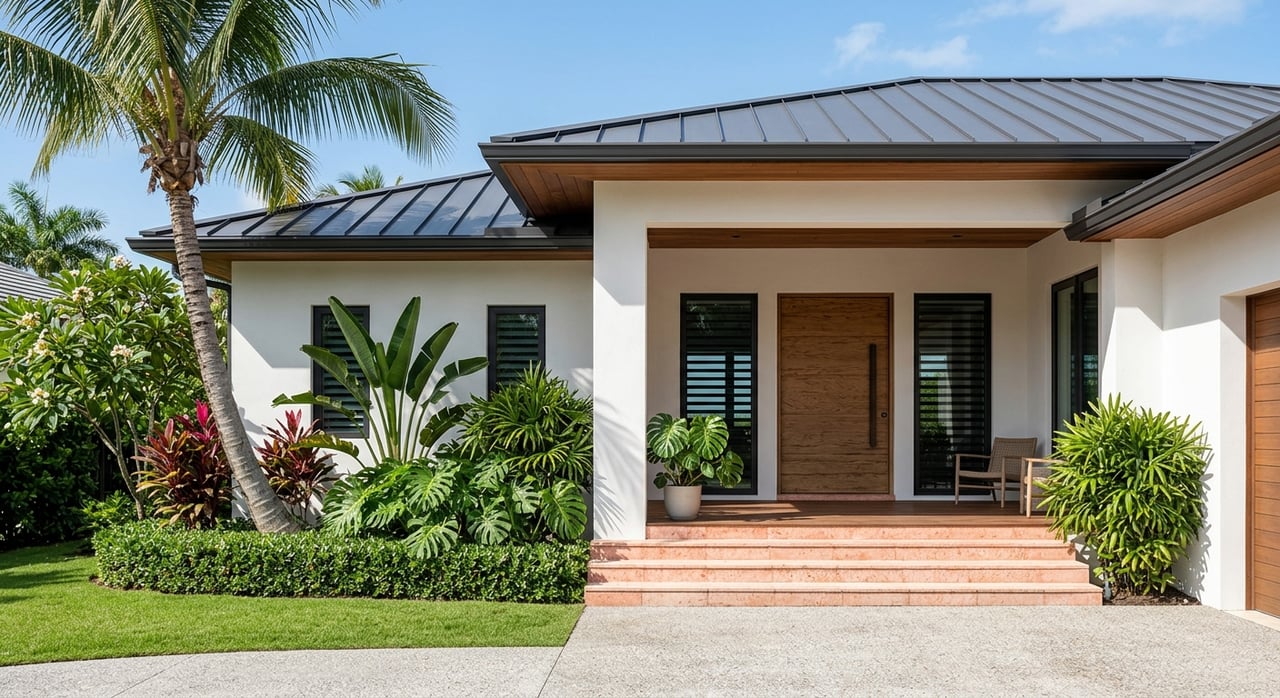
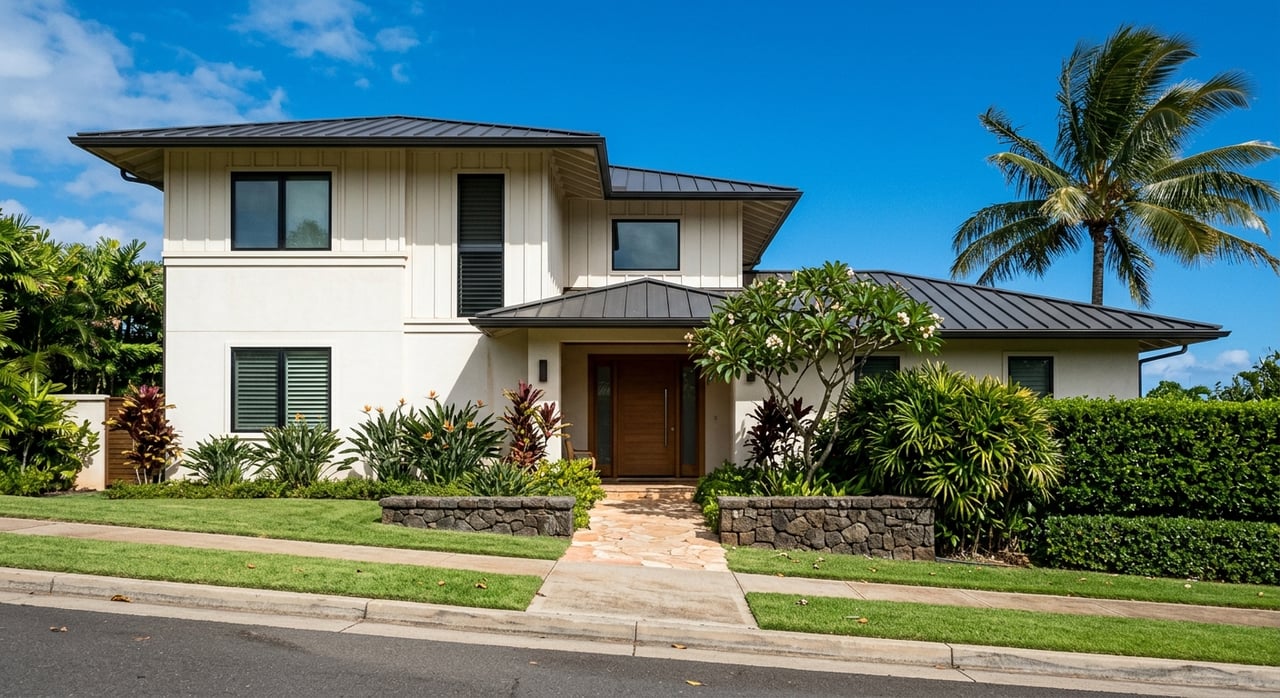
Detached homes are a major part of the local housing mix. If you are searching for more breathing room, this is one reason Kāneʻohe often lands on the shortlist. The area’s residential character can appeal to buyers who want more separation from dense tower living.
Depending on location and elevation, some homes may also benefit from strong mauka views or outlooks toward the bay. In Kāneʻohe, the topography is not just scenic. It directly shapes the kind of homes you will find.
Townhomes and condos
Attached homes and condo buildings also have a place in the market. For buyers who want Windward Oʻahu access with a lower-maintenance footprint, these options can create a useful middle ground. You may give up some lot size, but gain convenience and a more manageable day-to-day setup.
That can be especially attractive if your priority is to enjoy the location without taking on the full upkeep of a larger house. It also opens the door for buyers who want to enter the market through a different product type.
Daily life is easier than some expect
One of Kāneʻohe’s practical strengths is that many everyday needs can be handled locally. The City and County of Honolulu town plan identifies Windward Mall, Windward City Shopping Center, and Kāneʻohe Bay Shopping Center as the three largest shopping centers in Koʻolau Poko. In simple terms, errands, groceries, and routine stops are often close to home.
That local retail base helps support a more self-contained routine. You may still head into town for work or specific outings, but you are not always starting from scratch for daily convenience. For many residents, that is a meaningful quality-of-life advantage.
Outdoor access shapes the lifestyle
If you want to live near water, mountains, and open-air recreation, Kāneʻohe has a strong case. The town plan highlights shoreline access, mountain access, and greenways as community priorities. Those are not minor perks. They are part of what defines how many people use and enjoy the area.
Heʻeia State Park is one nearby example, offering picnicking and views of Kāneʻohe Bay and Heʻeia Fishpond. The Hawaii Community Development Authority also describes Heʻeia as a 400-acre community development district focused on culturally appropriate agriculture and natural-resource restoration. Together, these features help explain why Kāneʻohe often feels connected to the landscape in a very direct way.
Commuting from Kāneʻohe
Kāneʻohe can work well for people who need access to Honolulu or other parts of the island, but the commute is a real part of the decision. The mean travel time to work is 27.6 minutes, according to Census data. That can sound reasonable on paper, but route choice and traffic conditions still matter.
TheBus provides options that connect Kāneʻohe with Honolulu and surrounding areas. Route 55 runs Honolulu, Kāneʻohe, and Haleʻiwa by way of Pali Highway and Kamehameha Highway. Route 56 runs Honolulu, Kailua, and Kāneʻohe, with stops that include Windward City Shopping Center and other Kāneʻohe-area points.
For drivers, Hawaii Department of Transportation information notes that trips from Kāneʻohe toward Halawa or Honolulu can use Likelike Highway or Pali Highway as alternates when H-3 is closed. That does not remove traffic, but it does highlight that route flexibility is part of Windward commuting. If you work in town, your exact schedule and destination will shape how this tradeoff feels in real life.
Who tends to like Kāneʻohe most
Kāneʻohe often fits buyers who want a primary home with a more residential setting, plus quick access to outdoor spaces. It can also make sense for households looking for a long-term ownership mindset, given the area’s high owner-occupied rate. If your ideal day includes mountain views, bay scenery, and fewer urban surroundings, the match can be strong.
The area is also part of the story for military households. Marine Corps Base Hawaiʻi sits on a 2,951-acre peninsula on the windward side between Kāneʻohe Bay and Kailua Bay, and the base housing ecosystem includes family housing, privatized housing, and unaccompanied housing. That nearby presence influences who may consider living in and around Kāneʻohe.
Kāneʻohe versus urban Honolulu
If you are deciding between Kāneʻohe and urban Honolulu, the choice often comes down to priorities. Urban Honolulu may appeal more if you want a denser environment and a more city-centered routine. Kāneʻohe may appeal more if you want a stronger residential profile, easier access to bay and mountain settings, and a daily rhythm that feels less urban.
The numbers support that distinction. Kāneʻohe has a much higher owner-occupied rate than Urban Honolulu, and its identity is less renter-heavy overall. For many buyers, that helps frame Kāneʻohe as a lifestyle decision as much as a housing decision.
Key tradeoffs to consider
No neighborhood is perfect for everyone, and Kāneʻohe has tradeoffs you should weigh clearly.
- Weather: The windward side is generally wetter and cloudier because of trade-wind uplift over the Koʻolau mountains.
- Commute: Access to Honolulu is workable, but traffic and route dependence matter.
- Price point: Kāneʻohe is not a bargain market, so your budget still needs to align with local values.
- Lifestyle fit: If you want dense nightlife and a highly urban routine, other parts of Oʻahu may suit you better.
For many buyers, though, these tradeoffs are exactly what define the appeal. More greenery, dramatic ridgelines, and a more grounded residential setting can outweigh the extra clouds or commute planning.
Why buyers keep Kāneʻohe on the list
Kāneʻohe gives you something many people want but cannot easily find in one place: a scenic windward setting, a meaningful mix of housing types, daily convenience, and a more established residential feel. It is a place where the landscape shapes everyday life, from the Koʻolau backdrop to the bayfront environment and local shopping hubs.
If you are weighing space, setting, and long-term livability on Oʻahu, Kāneʻohe is worth serious attention. And if you want help comparing Windward options with Honolulu condos, select single-family opportunities, or investment-focused choices across the island, Fortune Hawaii Realty can help you build a strategy that fits your goals.
FAQs
What is daily life in Kāneʻohe like for homebuyers?
- Daily life in Kāneʻohe often feels more residential than urban, with local shopping centers, access to outdoor areas, and a setting shaped by the bay and Koʻolau mountains.
What kinds of homes can you find in Kāneʻohe?
- Kāneʻohe includes a mix of detached homes, attached homes, townhome-style properties, condo buildings, and some hillside or view-oriented homes.
What should commuters know about living in Kāneʻohe?
- Commuting from Kāneʻohe to Honolulu can be manageable, but travel times depend on traffic and route choice, with options that include bus service and highway routes such as Pali Highway and Likelike Highway.
What makes Kāneʻohe different from urban Honolulu?
- Kāneʻohe has a higher owner-occupied rate, a more settled residential profile, and closer access to bay and mountain settings than more urban parts of Honolulu.
Is Kāneʻohe a good fit if you want outdoor access?
- Kāneʻohe can be a strong fit if you value shoreline access, mountain access, greenways, and scenic places like Heʻeia State Park near Kāneʻohe Bay.