Outgrowing your condo and craving a yard, more bedrooms, or a flexible studio for extended household needs? ʻĀina Haina in East Honolulu offers the space and residential feel many move-up buyers want, close to everyday amenities and the coastline. In this guide, you will learn what a typical ʻĀina Haina home looks like, how ADU and ohana rules work today, what renovations to plan for, current market pace, and practical ways to sequence your sell-and-buy with less stress. Let’s dive in.
Why move up to ʻĀina Haina
ʻĀina Haina sits in a valley between Waialae Iki and Hawaii Loa Ridge in East Honolulu. The neighborhood is primarily single-family homes on interior lots with level yards. You have a neighborhood shopping center and public library within minutes, and quick access to Kahala and Hawaii Kai for larger retail. It is a calm residential setting with city conveniences within a short drive.
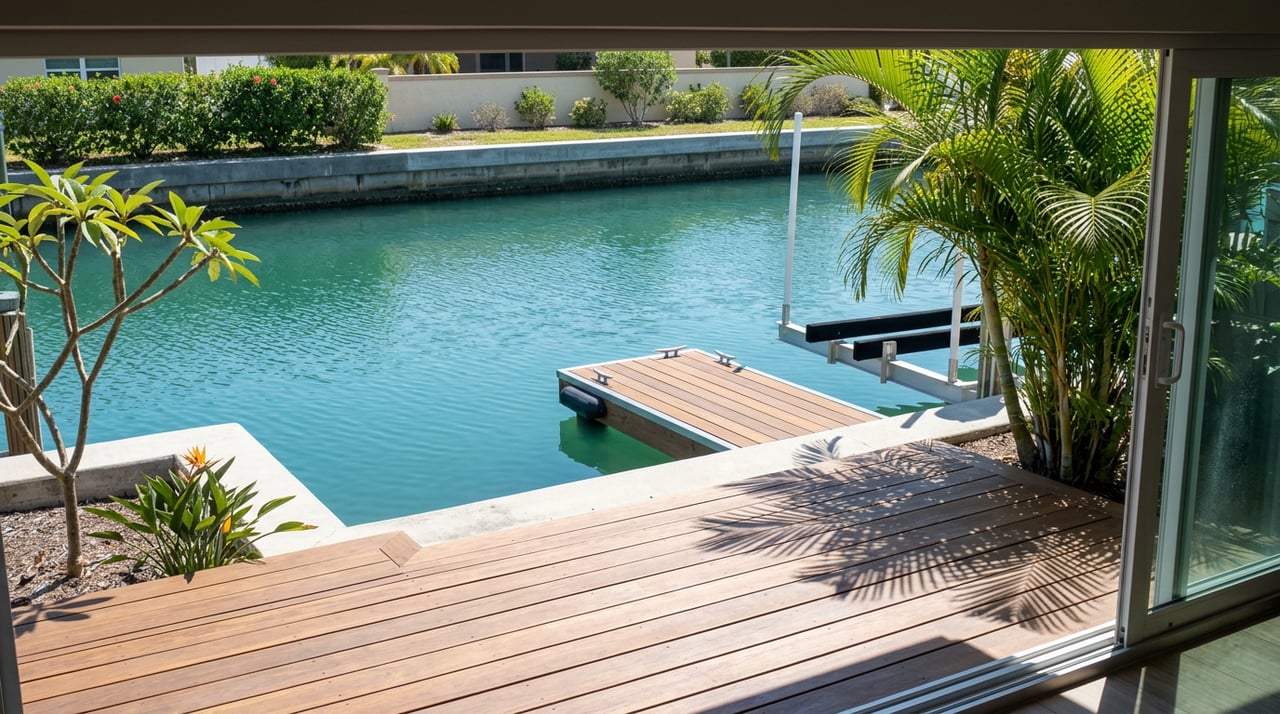
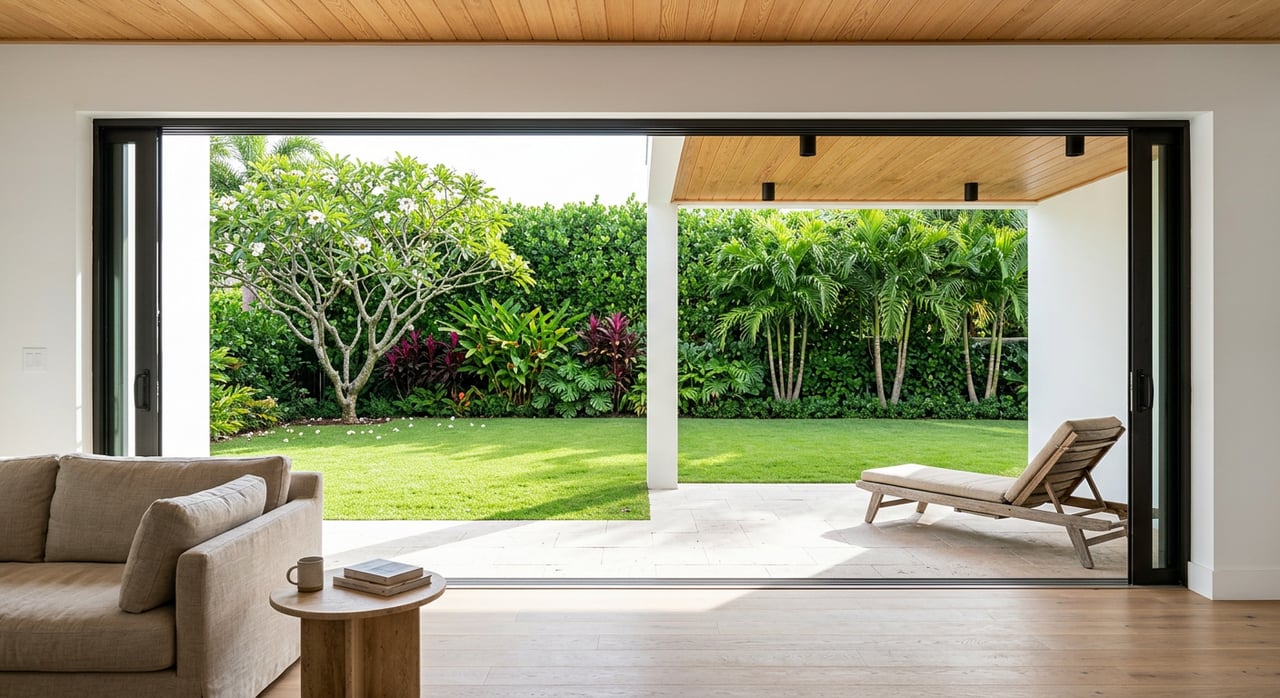
If you are moving up for space, many listings in the area show interior lots in the roughly 7,500 to 10,000 square foot range, with some larger. That often means a real backyard for outdoor dining, gardening, pets, or a future addition. You also see a mix of original mid-century homes and remodeled properties, which creates different price points and project opportunities.
Schools are a common consideration for local buyers. ʻĀina Haina Elementary is the neighborhood public elementary school. You can view its basic campus profile in the federal directory on the NCES listing for ʻĀina Haina Elementary. Many addresses in this area typically feed to Niu Valley Middle School and then Henry J. Kaiser High School. Always verify the current attendance area for your specific address with the Hawaii Department of Education before you rely on it for planning.
Home types and layouts you will find
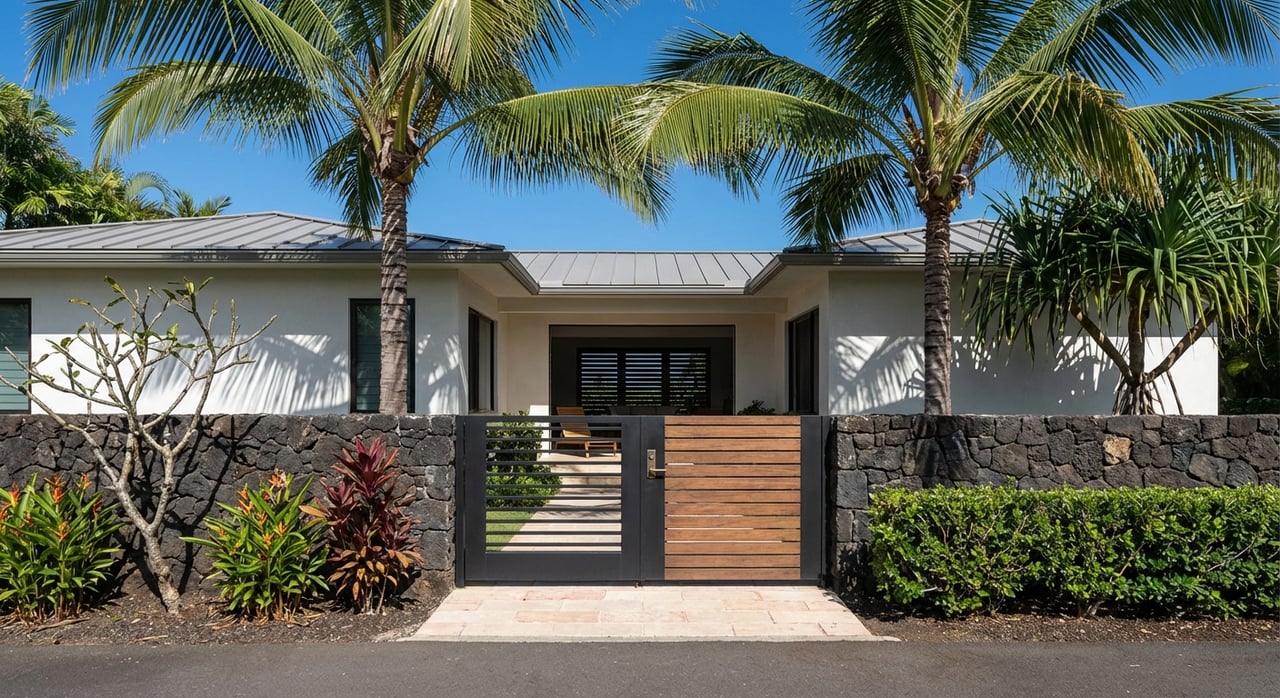
Most ʻĀina Haina homes were originally built in the 1950s and 1960s. You will find single-level ranch plans, split-level layouts, and two-story remodels or newer custom builds, especially on larger or edge lots. Many properties kept an original footprint and later added bedrooms, a second level, or reconfigured living areas to fit modern needs.
If you need a dual-living setup, watch for listings that note separate downstairs or studio spaces with private entries. These are often used for extended household needs, home offices, or guest quarters. Some lots and structures also make future accessory units feasible, subject to zoning, covenants, and infrastructure capacity.
ADUs and ohana units: what is allowed today
Honolulu updated its Land Use Ordinance in January 2025, which affects accessory residential options across Oʻahu. The adopted ordinance, recorded as Ordinance 25-2, outlines current size caps and conditions for accessory dwelling units and ohana units.
- ADU size caps: up to 500 square feet on lots 4,999 square feet or smaller, and up to 1,000 square feet on lots 5,000 square feet or larger.
- ADUs and ohana units are different uses, with different rules. An ohana unit is intended for occupancy by related persons and carries recorded covenant requirements. The ordinance allows having both an ADU and an ohana unit on the same zoning lot if you meet development standards and infrastructure capacity.
- Both ADUs and ohana units require recorded covenants. They cannot be separated into a standalone condominium unit. Approvals are tied to available wastewater, water, roadway access, and first-responder resources.
For any addition or conversion, confirm permitability for your specific parcel before you budget. Capacity checks, permit workloads, and covenant recordings can affect timelines. Review the ordinance language directly in the City and County document repository and plan a pre-application discussion with DPP if you are serious about an ADU or ohana.
Renovation expectations in ʻĀina Haina
Common updates in this neighborhood include kitchen and bath remodels, roofing replacements, electrical panel upgrades, plumbing replacements, and landscape or pool work. Many move-up buyers plan for a 3 to 6 month window for moderate interior updates such as kitchens, baths, flooring, and paint. Larger structural additions or accessory units take longer due to design and permitting.
Climate and pest conditions in Honolulu affect budgets and schedules. Formosan subterranean termites are present on Oʻahu, so a professional termite inspection is standard due diligence, especially for older wood structures. Learn the basics and risks from the University of Hawaiʻi’s overview of termites in Hawaiʻi.
Roofing also deserves a close look. Coastal exposure, wind, salt, and UV can shorten life cycles compared to some mainland markets. Many owners choose durable, corrosion-resistant materials. Factor replacement timing and permitting into your plan. A practical primer on local roof cost and durability considerations is available here: roofing expectations in Hawaiʻi.
Market snapshot: prices and speed
ʻĀina Haina is a small, low-inventory submarket, so monthly data can swing with only a handful of closings. As of December 2025, the median single-family sales price for the month was approximately 2,050,000 dollars. The 2025 year-to-date median was about 1,765,000 dollars, which trailed 2024’s year-to-date median of roughly 1,851,250 dollars. Median days on market in December 2025 came in around 13 days, with the year-to-date median at about 19 days.
Use these figures as a neighborhood pulse, not a strict budget rule. Your target home’s size, lot, condition, and potential for dual-living or accessory units will drive price. Ask for a custom pricing scan when you are ready to shop so you can understand active, pending, and recent closed comparables in your band.
How to sequence your sell-and-buy
Buying a ʻĀina Haina single-family home while you own a condo is a timing exercise. Here are four common paths. The right fit depends on your equity, risk tolerance, and the pace of the homes you want.
A. Sell first, then buy
You list and close on your current home, then use the proceeds to purchase. If you need time to find the right ʻĀina Haina home, you can negotiate a short rent-back from your buyer so you stay in place after closing for a defined period. This path avoids carrying two mortgages but requires planning for temporary occupancy if inventory is tight.
B. Buy first with short-term financing
With ample equity and strong qualifications, some buyers purchase first using short-term financing such as a HELOC, then sell their current home. This can make your offer more competitive because it reduces contingencies, but it increases short-term financial exposure if your sale takes longer than planned. Have a clear exit plan and timeline.
C. Make a home-sale contingent offer
You write an offer to buy that is contingent on selling your current home within a set time. In faster segments, this can be less competitive. In a slower segment or with the right property, it may be accepted. Your agent can gauge how common contingency-free offers are in your target price and condition band.
D. Coordinate closings or use a leaseback
Concurrent closings mean both escrows aim to record the same day. It can reduce your moves but requires tight coordination among both lenders and escrow teams. A negotiated rent-back or leaseback is often simpler. Typical rent-backs run 30 to 60 days, subject to lender rules, and may require a security deposit and daily rent equal to the new owner’s carrying cost.
Typical Honolulu timing benchmarks
- Escrow duration for financed purchases commonly runs about 30 to 45 days from acceptance to recordation. See a practical overview of closing documents and timelines in this Honolulu closing guide.
- Inspection windows start immediately after acceptance. Schedule a general home inspection and a termite inspection right away. If you plan a sizable addition or ADU, expect extra time for permit review and any required utility capacity checks.
Due diligence checklist for ʻĀina Haina buyers
Use this quick list to protect your budget and timeline.
- Confirm lot size, zoning, and setbacks with the Tax Map Key and county property records. The City’s guide to reviewing parcel records is here: Honolulu property records guide.
- Order a licensed home inspection and a separate termite and wood-destroying organism inspection. Learn why it matters in this termite risk overview.
- Check the age and condition of the roof and the type of materials used. Study local durability and replacement expectations: Hawaiʻi roofing considerations.
- Pull DPP permit history to confirm whether past additions or conversions were permitted. If you hope to add an ADU or ohana, review the current ordinance and plan pre-application checks: Honolulu accessory unit rules.
- If schools are part of your plan, verify attendance area for the exact address with the DOE. For a basic campus profile, see ʻĀina Haina Elementary on NCES.
- If the home includes a PV system or you plan to add one, request interconnection history and any lease or agreement documents. For statewide policy context, see Hawaiʻi energy efficiency and PV program overview.
Next steps
If you are ready to move from a condo to a single-family home in ʻĀina Haina, start with clarity on budget, timing, and the features that matter most. Decide if you will sell first or buy first, and map inspection, renovation, and school enrollment dates on a shared calendar. If you plan to keep your condo as an investment, build rental projections and management costs into your financing plan.
You deserve a smooth, well-sequenced transition with confident negotiation and polished marketing of the home you are selling. For tailored guidance, bilingual service in English and Mandarin, and support across both sides of your move, connect with Fortune Hawaii Realty. Book an appointment to plan your path.
FAQs
What does a typical ʻĀina Haina lot look like for move-up buyers?
- Many interior lots are roughly 7,500 to 10,000 square feet, with some larger, offering level yards suitable for outdoor living or future additions.
How do ADUs and ohana units differ under Honolulu rules?
- ADUs are accessory rentals with size caps up to 500 or 1,000 square feet based on lot size, while ohana units are intended for related occupants and require recorded covenants. Both depend on infrastructure capacity and cannot be condo-ized. See the current ordinance.
What is a realistic escrow timeline when moving from a condo to a ʻĀina Haina home?
- A financed purchase typically records in about 30 to 45 days from acceptance, with inspections and loan underwriting on the front end. See this Honolulu closing overview.
How competitive is the ʻĀina Haina single-family market right now?
- It is a low-inventory submarket. As of December 2025, the monthly median price was about 2,050,000 dollars and the median days on market was around 13 days. Expect variation by price band and property condition.
What inspections should you prioritize for older Hawaiʻi homes?
- A general home inspection plus a dedicated termite and wood-destroying organism inspection. Termite risk is material on Oʻahu. See the termite guide.
Can you keep your condo as a rental while buying in ʻĀina Haina?
- Yes, if your financing and HOA allow it. Include rental income, reserves, HOA rules, and professional management costs in your plan. If you need turnkey support, speak with Fortune Hawaii Realty about rental-management services.
Which schools serve ʻĀina Haina addresses and how do you confirm?
- ʻĀina Haina Elementary commonly serves many local addresses and the typical path continues to Niu Valley Middle and Henry J. Kaiser High. Always verify the exact attendance area with the DOE for your address. A basic campus profile is here: ʻĀina Haina Elementary on NCES.