If you dream of waking up to water every day in Hawaiʻi Kai, you face a big choice right away: marina-front or oceanfront. Both deliver a signature island lifestyle, but the way you use your home, your boat, and your budget can look very different. You want the right fit, not just the right view. In this guide, you’ll learn how boating access, fees, upkeep, property types, risks, and resale differ so you can buy with confidence. Let’s dive in.
Marina vs oceanfront: what it really means
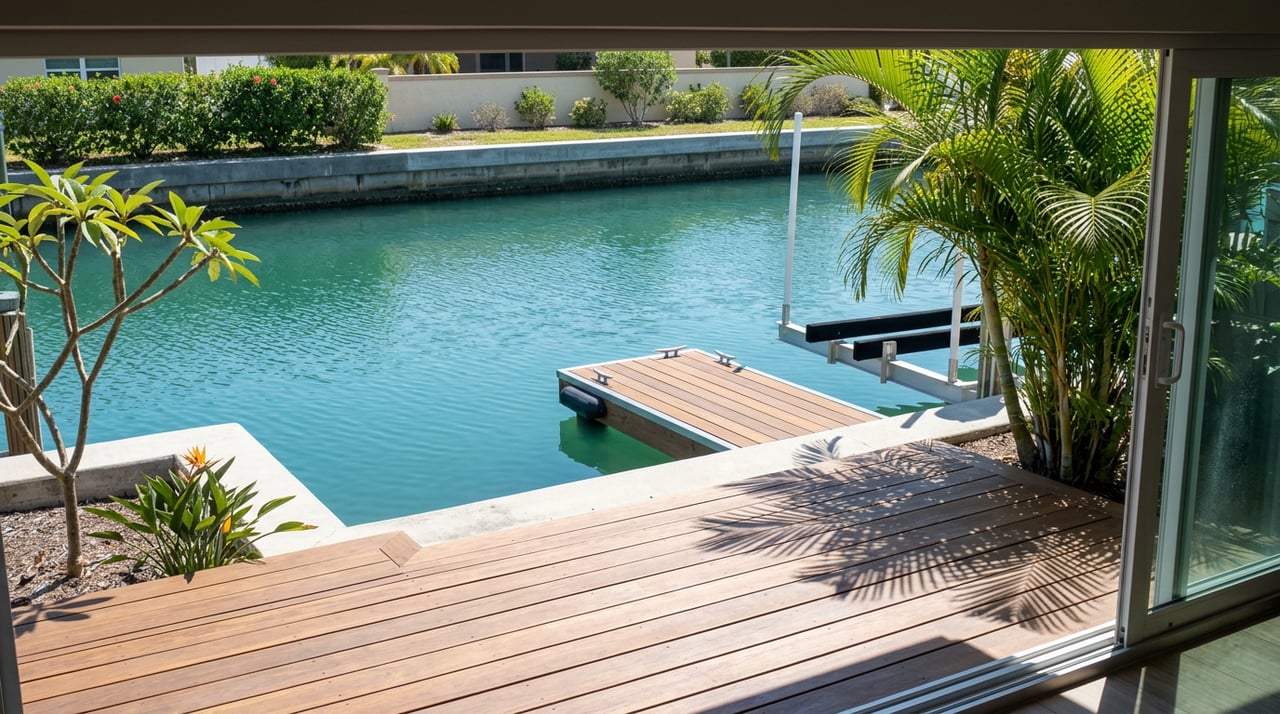
Marina-front homes and condos face the interior Hawaii Kai marina and canals. Many come with private docks or assigned slips that open into Maunalua Bay through the entrance channel. The water is more sheltered, which makes day-to-day boating easier and calmer.
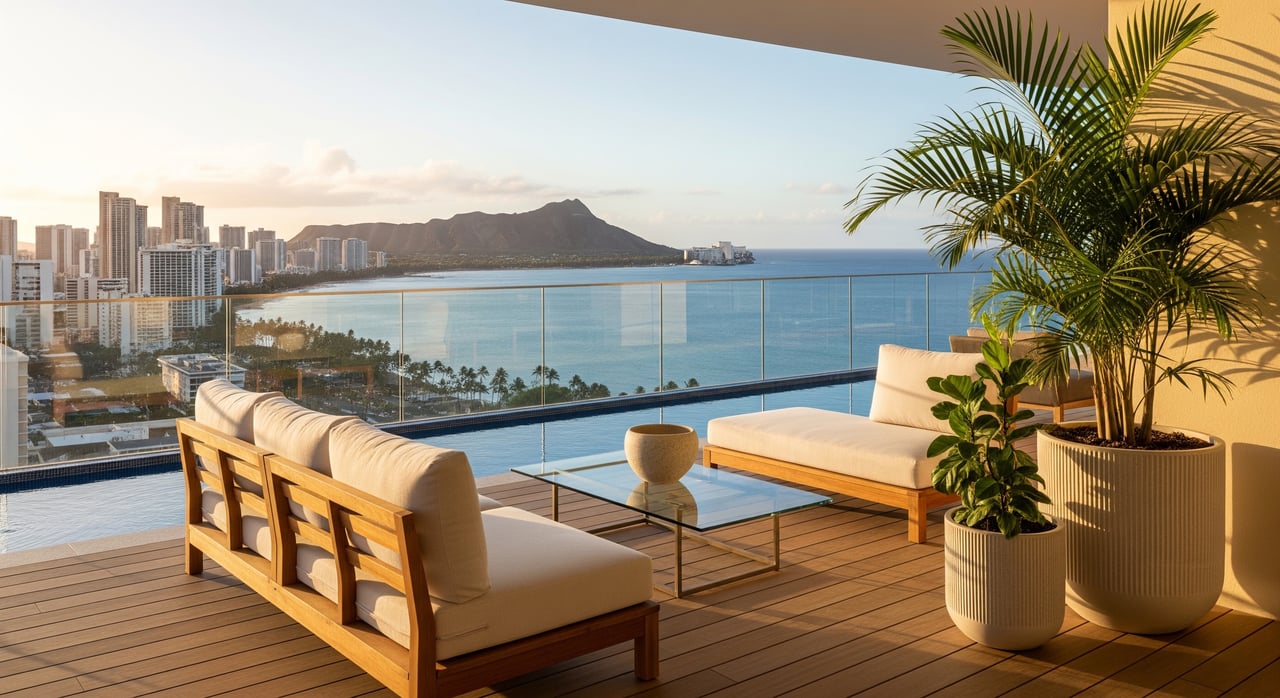
Oceanfront homes sit along the open shoreline in areas like Portlock, Koko Kai, and Triangle. These lots face the outer bay and the ocean, which means direct wave and runup exposure. Oceanfront parcels are far scarcer and often larger, with dramatic views and a premium on privacy.
Bottom line: marina-front = everyday boating convenience, while oceanfront = wide-open views and prestige. Your best choice depends on which experience you value most.
Day-to-day boating access
Marina-front: dock-and-go simplicity
Most marina-front properties are designed for casual, frequent outings. You can often step from your lanai to your dock or walk to a shared slip. That convenience is the main reason many buyers choose the marina over the oceanfront shoreline.
Your exact slip rights can vary. In Hawaiʻi Kai, slips may be deeded to a unit or house, shared as a condominium common element, or leased separately. Always confirm what conveys with the sale by reviewing the title report and the association’s governing documents.
Oceanfront: big water, fewer tie-ups at home
Oceanfront living gives you open water and sweeping vistas, but it is not ideal for casual docking at your back wall. Exposure to swell, wind, and currents makes at-home mooring challenging for most owners. Many oceanfront homeowners keep vessels in sheltered facilities instead of tying up on-site.
If you plan to use state-managed harbors or moorings, expect vessel registration and insurance requirements. The State of Hawaiʻi Division of Boating and Ocean Recreation publishes helpful resources in its harbor user handbooks. You can review details on vessel rules and permits in the state’s guidance through the Division of Boating and Ocean Recreation. For insurance requirements in state facilities, see the state’s historical notice to boaters for context on liability standards.
Permits, modifications, and limits
Slip length and depth limits will vary by community and by marina rules. If you plan to modify a dock, pilings, or a seawall, anticipate a permitting process that may include county building approvals and state or federal review when work is near or seaward of the certified shoreline. Shoreline and conservation rules can apply, and federal review can come into play for in-water work.
Fees, rules, and who maintains what
HOA, moorage, and utilities
Expect recurring costs if you plan to keep a boat in the marina. Some associations include marina upkeep in monthly dues, while others bill a separate moorage fee or a per-foot slip charge. Utilities at the dock, like shore power, water, or pump-out, are often billed separately. Because documents vary widely, request the current HOA budget and fee schedule for exact numbers rather than relying on averages.
Dredging and special assessments
The Hawaii Kai marina and entrance channel require periodic maintenance dredging. These projects are technically complex and involve multiple agencies, including the U.S. Army Corps of Engineers. When dredging is needed, funding can come from an HOA, the marina association, or a special assessment. Always ask whether dredging is planned in the next one to five years and how it will be funded.
Insurance and rules if you use state facilities
If you plan to moor in state facilities, be ready to meet registration and insurance requirements. Review the Division of Boating and Ocean Recreation’s handbooks for process and forms, and check the state’s guidance for liability insurance expectations before you apply for mooring permits.
Neighborhoods and property types
Oceanfront: Portlock, Koko Kai, Triangle
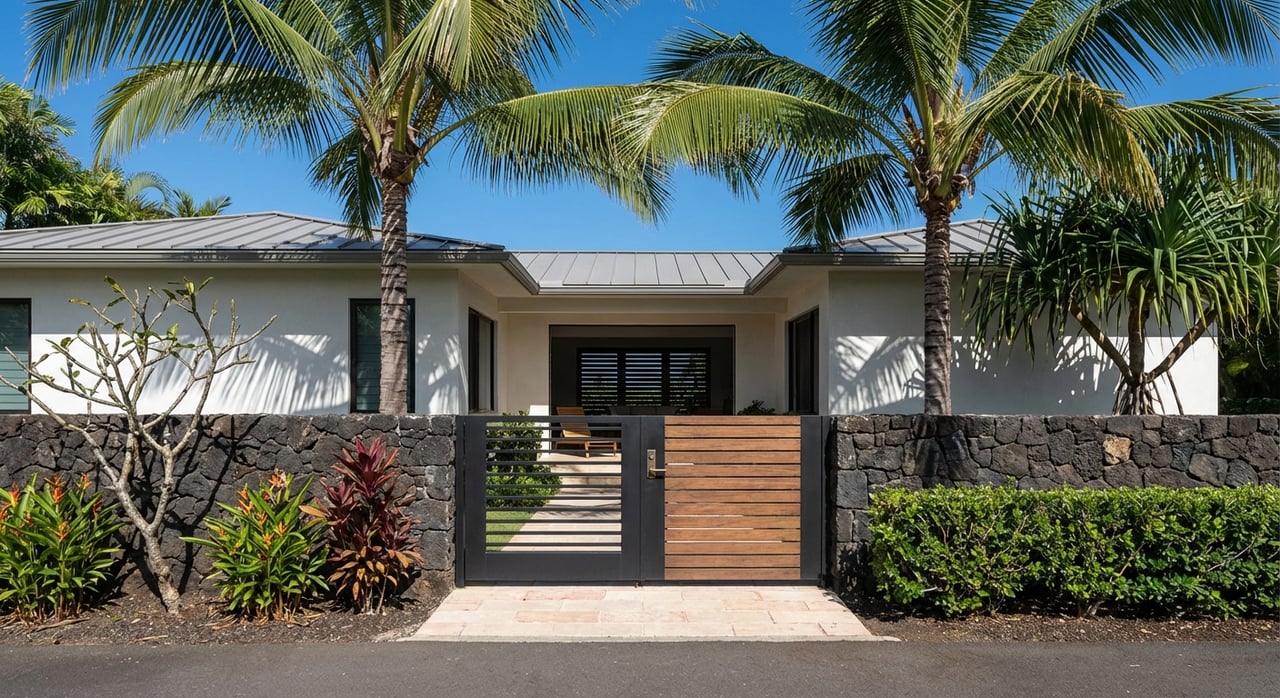
Oceanfront parcels in Portlock and nearby pockets are small in number and command premium pricing. Homes range from mid-century residences to high-end rebuilds, with primary living spaces oriented toward the ocean. Because of wave exposure, any shoreline structure or landscaping near the water requires careful planning and permitting.
Marina and canals: Koko Marina, West/East Marina
Along the interior canals and marina basins, you’ll find single-family homes, townhomes, and condos with private docks or shared slip systems. Lots are often smaller than oceanfront estates but are optimized for yard-to-water living and boat storage. Many communities market lifestyle features like quick bay access and sheltered conditions.
Ridge and valley alternatives
If you want water views without direct saltwater exposure or marina fees, upland neighborhoods like Mariners Ridge, Kalama Valley, Hahaione, and Mariners Valley offer ocean and marina vistas. These areas typically trade dock access for more traditional yards and lower marine maintenance.
Typical layouts
- Oceanfront single-family: Estate-scale lots focused on the shoreline and views. Any seawall or shoreline work requires permits and may be constrained by setbacks and certification.
- Marina single-family: Backyard-to-dock living with lanai spaces oriented toward the water and practical storage for boating.
- Marina condos and townhomes: Shared dock systems or deeded slips managed by an HOA. Packages vary widely on what dues include. Some properties may be leasehold, so confirm ownership type early.
Cost and value: what the market shows
Market medians for the broader Hawaiʻi Kai area have hovered in the low-to-mid 1 million dollar range in recent reporting. That median blends inland and waterfront product, so use it only as a general backdrop.
Oceanfront homes in Portlock and Koko Kai typically trade well above the area median, with recent activity spanning from the low 2 million dollar range to more than 8 million dollars. Scarcity, lot size, and view corridors drive premiums in these submarkets.
Marina-front homes and high-quality townhomes generally sell from the mid six figures to the mid seven figures, depending on slip size, condition, and exact location. Single-family canal homes often land in the 1.5 to 4 million dollar range, while larger or renovated marina condos and townhomes can reach the low 2 million dollar range. Always verify fee-simple or leasehold status, since ownership type can materially affect value.
Risks and due diligence checklist
Coastal hazards and setbacks
Sea-level rise and shoreline change are active planning concerns in Hawaiʻi. Use the University of Hawaiʻi Sea Grant resources to screen parcels and understand risk. Honolulu updated many shoreline setback rules in 2024 to reflect erosion rates, which can change what and where you can build near the water. Do not assume approvals for shoreline stairs, seawalls, or lanai expansions without a professional review.
Flood zones and insurance
Flood insurance needs are address specific. During contingencies, review FEMA map data and request a bindable insurance quote. A flood elevation certificate can help lenders and insurers determine your requirements.
HOA health and marine infrastructure
Waterfront associations must budget for docks, pilings, gangways, dredging, and seawalls. Underfunded reserves can lead to large special assessments that impact carrying costs and resale value. Ask for the current budget, audited financials, reserve study, recent meeting minutes, and any notices about planned capital projects or litigation.
Your targeted due diligence steps
- Confirm slip rights in writing: deeded, common element, or leased. Get the transfer rules and any waitlists.
- Request the current moorage and utility rate schedule, plus a three-year rate history if available.
- Ask when the dock system was last inspected or rebuilt, and whether dredging is planned in the next one to five years.
- Verify vessel insurance and registration requirements if you plan to use state-managed moorings.
- Order a flood elevation certificate and check FEMA flood zones early in escrow.
- Engage specialists as needed: a marine-savvy engineer to assess docks and seawalls, a coastal consultant for setbacks and permits, and a marine surveyor if you intend to berth a specific vessel in a specific slip.
Resale and lifestyle trade-offs
Buyer pools and liquidity
Oceanfront buyers are usually a smaller, higher-end group that prioritizes unique lots and views. Marina-front buyers often value the boating lifestyle and sheltered access for frequent outings. Both segments are more niche than typical suburban housing, which means pricing can be sensitive to inventory and policy changes. Use comps from the same street or complex when you position value.
Upkeep and long-term costs
Marina living often brings recurring HOA and moorage charges, plus occasional assessments for marine infrastructure. Oceanfront living can involve higher maintenance from salt and spray, as well as permitting sensitivity for shoreline work. Budget for these realities so you preserve value at resale.
Which lifestyle fits you?
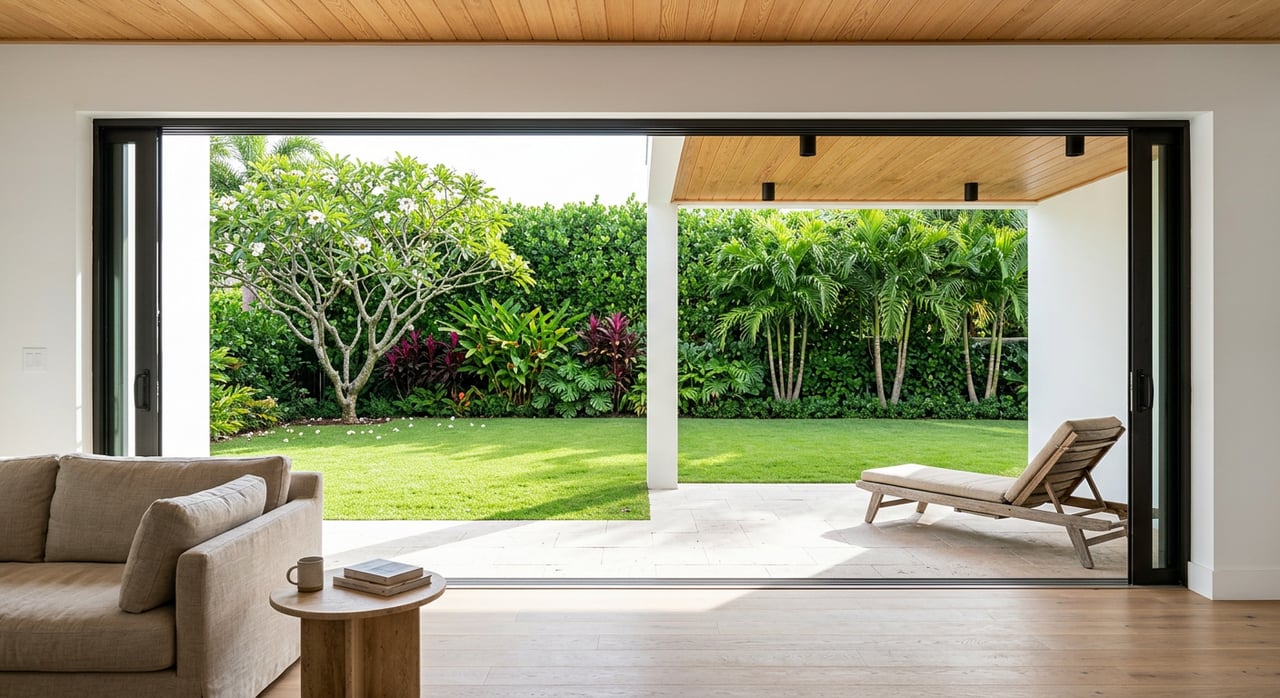
Choose marina-front if you want fast, frequent boating from your backyard with calmer waters and a community that understands dock life. Choose oceanfront if you want the drama of open water, larger lots, and privacy, and you are comfortable planning around shoreline rules and wave exposure. If you value view and breeze but prefer simpler upkeep, consider ridge and valley homes with strong sightlines over Maunalua Bay.
When you align your lifestyle with the right micro-location, you protect both your daily enjoyment and your investment.
Ready to explore options in Hawaiʻi Kai?
You deserve clear guidance and a smooth process from search to closing. If you are weighing marina-front versus oceanfront living, let us help you compare properties, documents, and long-term ownership costs so you can buy with confidence. Connect with the team at Fortune Hawaii Realty to book an appointment.
FAQs
What is the difference between marina-front and oceanfront in Hawaiʻi Kai?
- Marina-front faces the interior canal and marina with sheltered water and potential dock or slip access, while oceanfront faces Maunalua Bay and the open ocean with stronger wave exposure and fewer at-home mooring options.
Are boat slips included with marina properties in Hawaiʻi Kai?
- It depends; slips may be deeded to a unit, shared as a condo common element, or leased separately, so you should verify transfer rules, waitlists, and fees in the title report and HOA documents.
What fees should I expect with marina living?
- You may see HOA dues, separate moorage charges, and dock utilities like power and water, plus potential special assessments for dredging or dock rehabilitation.
Can I modify docks or seawalls on a waterfront home?
- Most in-water or shoreline-adjacent work requires permits and may trigger county, state, and federal review, so plan for a formal process and engage qualified professionals early.
Do I need flood insurance for Hawaiʻi Kai waterfront homes?
- Flood insurance requirements are address specific; check FEMA flood maps during contingencies and obtain a bindable quote, often supported by a flood elevation certificate.
How do coastal hazards and setbacks affect oceanfront property plans?
- Honolulu’s shoreline setbacks now consider erosion rates, and sea-level rise is a planning factor, so do not assume approvals for shoreline work without verifying certified shoreline status and current rules.