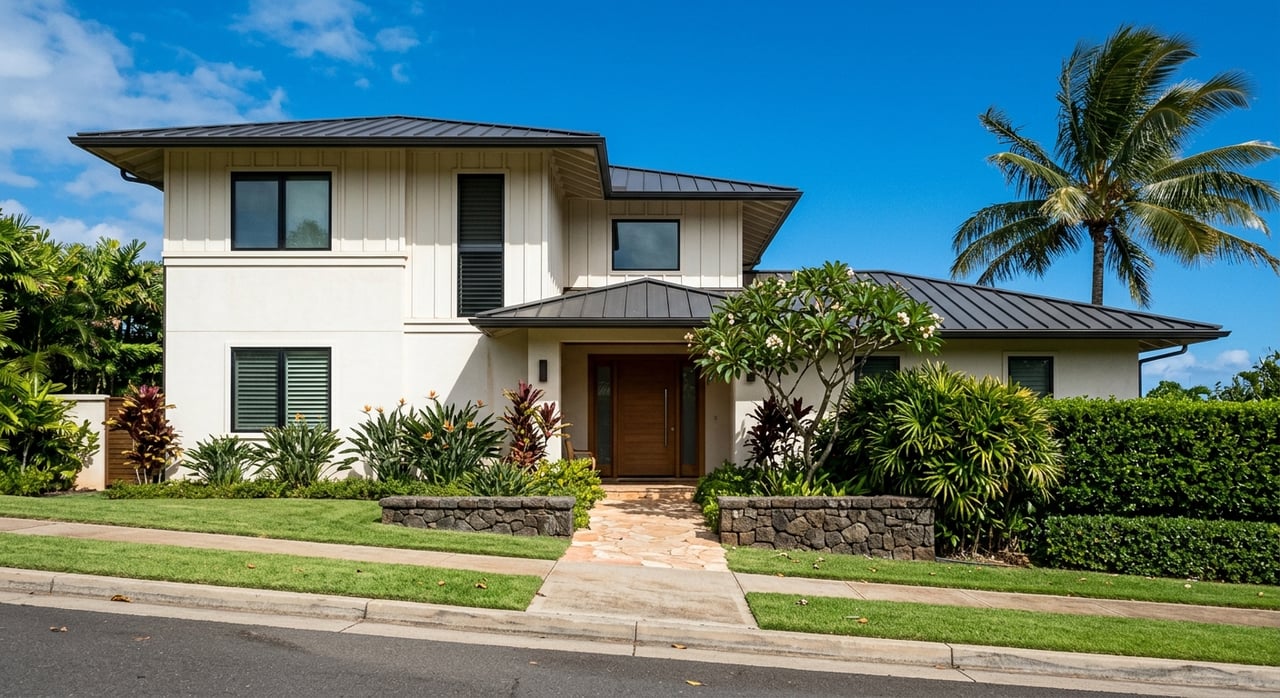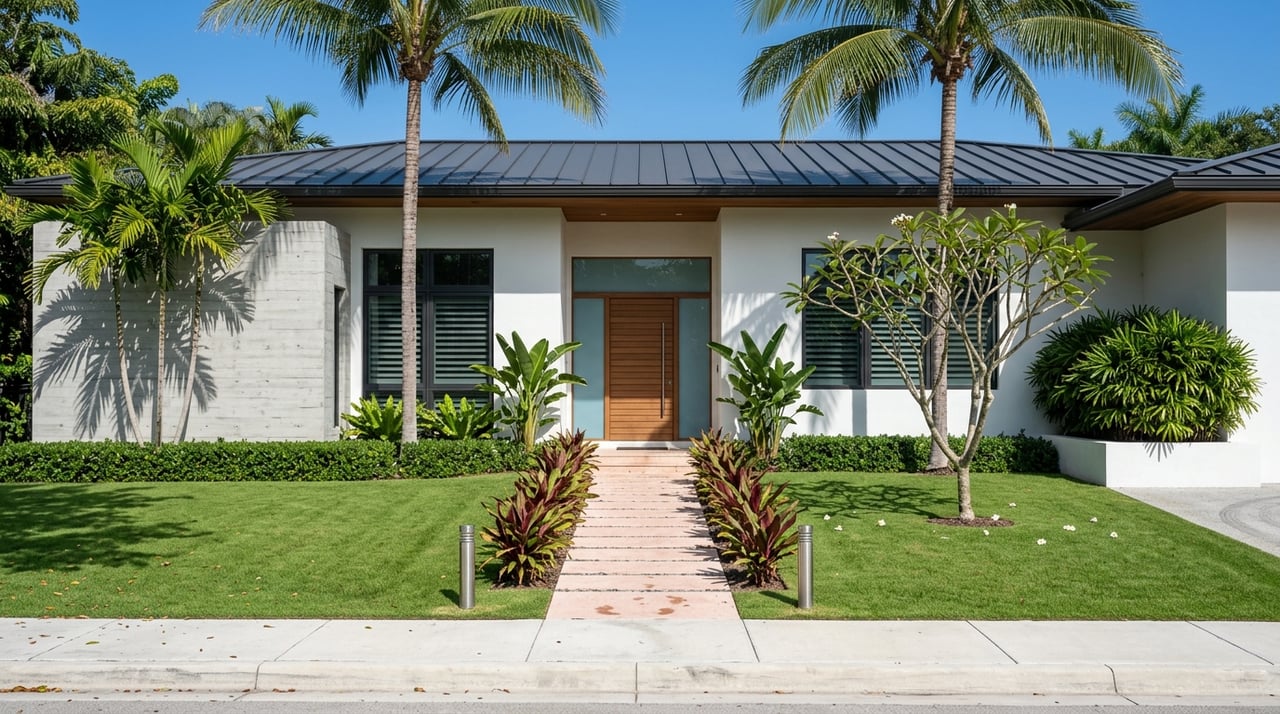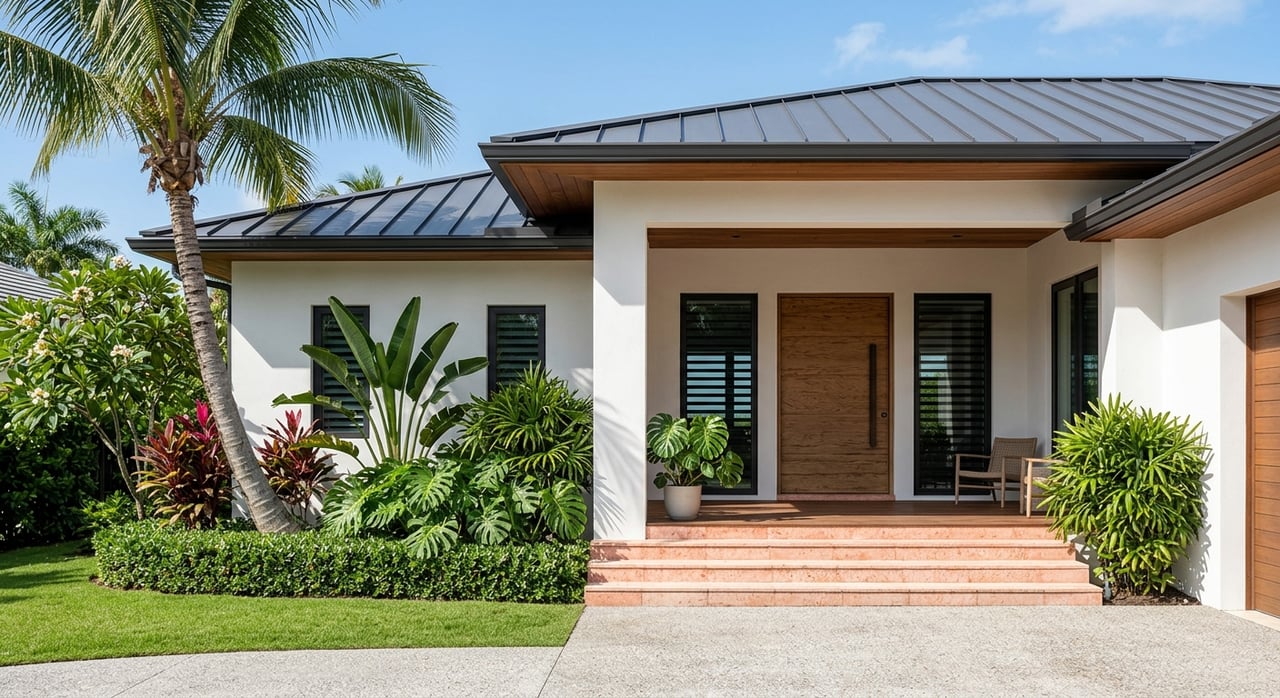
Dreaming about a second home where beach days, trade winds, and a more relaxed pace are part of your routine? If Kailua or Lanikai is on your list, you are looking at two of Oahu’s most desirable coastal markets, but they are not one-size-fits-all. Prices, ownership costs, rental rules, and property upkeep can vary more than many buyers expect. This guide will help you understand what to watch for so you can plan your purchase with more confidence. Let’s dive in.
Why Kailua and Lanikai stand out
Kailua and Lanikai sit on Oahu’s windward side, where the climate is generally mild year-round with regular trade winds and more rainfall than many leeward areas, according to NOAA’s Hawaii climate summary. For many second-home buyers, that combination of coastal scenery and a cooler, breezier feel is a big part of the appeal.
From a market perspective, both areas also command a premium. The broader Oahu median in February 2026 was about $1.205 million for single-family homes and $500,000 for condos, while Kailua and Lanikai sit well above those islandwide benchmarks in many cases.
Kailua vs. Lanikai prices
Kailua and Lanikai are often grouped together in conversation, but they function very differently as second-home markets. Your budget, property goals, and preferred use pattern will shape which area makes more sense.
Kailua market snapshot
According to the Honolulu Board of REALTORS December 2025 local stats, the Kailua Region had a year-to-date median of $1.685 million for single-family homes and $785,000 for condos. The same report shows 265 year-to-date single-family sales versus 107 condo sales, which suggests buyers will see more detached-home activity overall.
For many buyers, condos or townhome-style options in the broader Kailua area may offer a lower entry point than a detached house. If you want a second home with simpler upkeep or a lower initial purchase price, that difference matters.
Lanikai market snapshot
Lanikai sits at the luxury end of the market. The same Honolulu Board of REALTORS report shows a 2025 year-to-date single-family median of $3.6725 million in Lanikai.
It is also important to keep monthly numbers in perspective. The report notes Lanikai’s December 2025 monthly median reached $11.25 million, but with a very small sample size, one-month medians can swing sharply based on the mix of sales. For second-home budgeting, longer-range data is usually more useful than a single-month headline.
How micro-location affects value
In Kailua and Lanikai, not all properties are interchangeable. Beach proximity, lot position, view corridors, and the exact micro-location can create a wide pricing gap, even within the same general area.
That means your search should go beyond broad labels like “Kailua” or “Lanikai.” A second-home purchase here often comes down to trade-offs between privacy, access, ocean adjacency, maintenance exposure, and budget.
Budget for taxes carefully
A second-home budget should include more than your purchase price and mortgage. Property taxes can vary depending on how the home is classified.
For the July 1, 2025 to June 30, 2026 fiscal year, Honolulu’s Residential tax rate is $3.50 per $1,000 of net taxable value. The city also lists Residential A at $4.00 on the first $1 million and $11.40 above $1 million, which makes tax class confirmation especially important in higher-price ranges.
Home exemption limits
If the property will be a true second home and not your principal residence, you should not assume you will receive the owner-occupant home exemption. Honolulu states that the home exemption applies to properties owned and occupied as the principal home, with supporting evidence such as occupancy, voter registration, military stationing, or a Hawaii resident income tax return using the city address.
For many second-home buyers, the practical takeaway is simple: carrying costs may be different from what a full-time owner-occupant pays. It is smart to confirm tax treatment early so your monthly and annual budget reflects reality.
Be cautious with rental assumptions
Some buyers hope to offset ownership costs with occasional rental income. In Kailua and Lanikai, that idea requires careful verification.
Honolulu’s land use ordinance defines a transient vacation unit as a dwelling offered for compensation for less than 30 days. The ordinance states that these uses are permitted only in limited circumstances and may be prohibited unless there is a valid nonconforming-use certificate.
A 2026 Kailua neighborhood board item also required an applicant to acknowledge that bed-and-breakfast homes and transient vacation units were not allowed on the shoreline lot in question. For buyers, the message is clear: do not assume short-term rental income is allowed just because a property seems well suited for visitors.
Taxes on transient rentals
If a property is legally used as a transient accommodation, Hawaii states that rental income is subject to GET and TAT, and Honolulu imposes a 3% Oahu transient accommodations tax. The state TAT rises to 11% beginning January 1, 2026.
For most second-home buyers considering Kailua or Lanikai, the safer planning approach is to treat these areas primarily as owner-use markets unless parcel-level due diligence shows otherwise.
Plan for climate and upkeep
A second home is easier to enjoy when you plan for the realities of part-time use. On Oahu’s windward side, climate should be part of that planning.
NOAA notes that Hawaii’s climate includes moderate humidity, persistent trade winds, and significant rainfall differences over short distances, with windward areas receiving more rainfall and winter bringing more clouds and rainstorms. If you will be away for part of the year, moisture management, ventilation, and routine property checks matter.
Seasonal risk and insurance timing
The Central Pacific hurricane season runs from June 1 through November 30. NOAA also notes that flood insurance typically has a 30-day waiting period.
That timing matters if your second home may sit vacant during part of the year. Waiting until storm season is close can limit your options, so insurance review should happen early in the purchase process.
Shoreline due diligence
For shoreline or near-shore homes, coastal exposure deserves extra attention. Hawaii’s coastal hazards resources note ongoing erosion risk and beach loss in vulnerable areas.
If you are considering an oceanfront or near-ocean property, your due diligence should include flood, shoreline, and insurance review. Those factors can affect both ownership cost and long-term planning.
A smart second-home checklist
Before you buy in Kailua or Lanikai, focus on the items that can shape your actual ownership experience:
- Confirm the property’s tax classification and estimate annual carrying costs
- Review whether the home exemption applies to your situation
- Verify any rental use at the parcel level before counting on income
- Budget for recurring maintenance like landscaping, pest control, and storm prep
- Review insurance options early, especially for flood exposure or near-shore locations
- Compare micro-locations carefully instead of relying only on area-wide median prices
What buyers should expect
Buying a second home in Kailua or Lanikai can be a lifestyle-driven decision, but it still requires disciplined planning. Kailua offers a wider range of price points, especially when condos are part of the conversation, while Lanikai is generally a much more exclusive single-family market.
The key is matching the property to how you will actually use it. When you understand pricing, taxes, rental restrictions, and climate-related upkeep before you buy, you can make a decision that feels exciting and sustainable.
If you are exploring a second-home purchase on Oahu and want clear, concierge-level guidance, Fortune Hawaii Realty can help you evaluate your options and move forward with confidence.
FAQs
What does a second home in Kailua typically cost?
- Based on Honolulu Board of REALTORS year-to-date 2025 data, the Kailua Region median was $1.685 million for single-family homes and $785,000 for condos.
What does a second home in Lanikai typically cost?
- Based on Honolulu Board of REALTORS year-to-date 2025 data, Lanikai’s single-family median was $3.6725 million, though pricing can vary significantly by property and sales mix.
Can you use a Kailua or Lanikai second home as a short-term rental?
- You should not assume that short-term rental use is allowed. Honolulu rules define transient vacation use as under 30 days and limit where that use is permitted, so parcel-level verification is essential.
Do second-home buyers in Honolulu get the home exemption?
- Usually, the home exemption is tied to a property being your principal residence, so many second-home buyers should expect a different tax outcome than full-time owner-occupants.
What climate issues matter for a second home in Kailua or Lanikai?
- Windward Oahu generally sees more rainfall and humidity than drier leeward areas, so part-time owners should plan for ventilation, moisture management, routine service visits, and storm-season preparation.
Why is micro-location so important when buying in Kailua and Lanikai?
- In these coastal markets, factors like beach proximity, lot position, view corridor, and shoreline exposure can create major differences in price, maintenance needs, and long-term ownership costs.